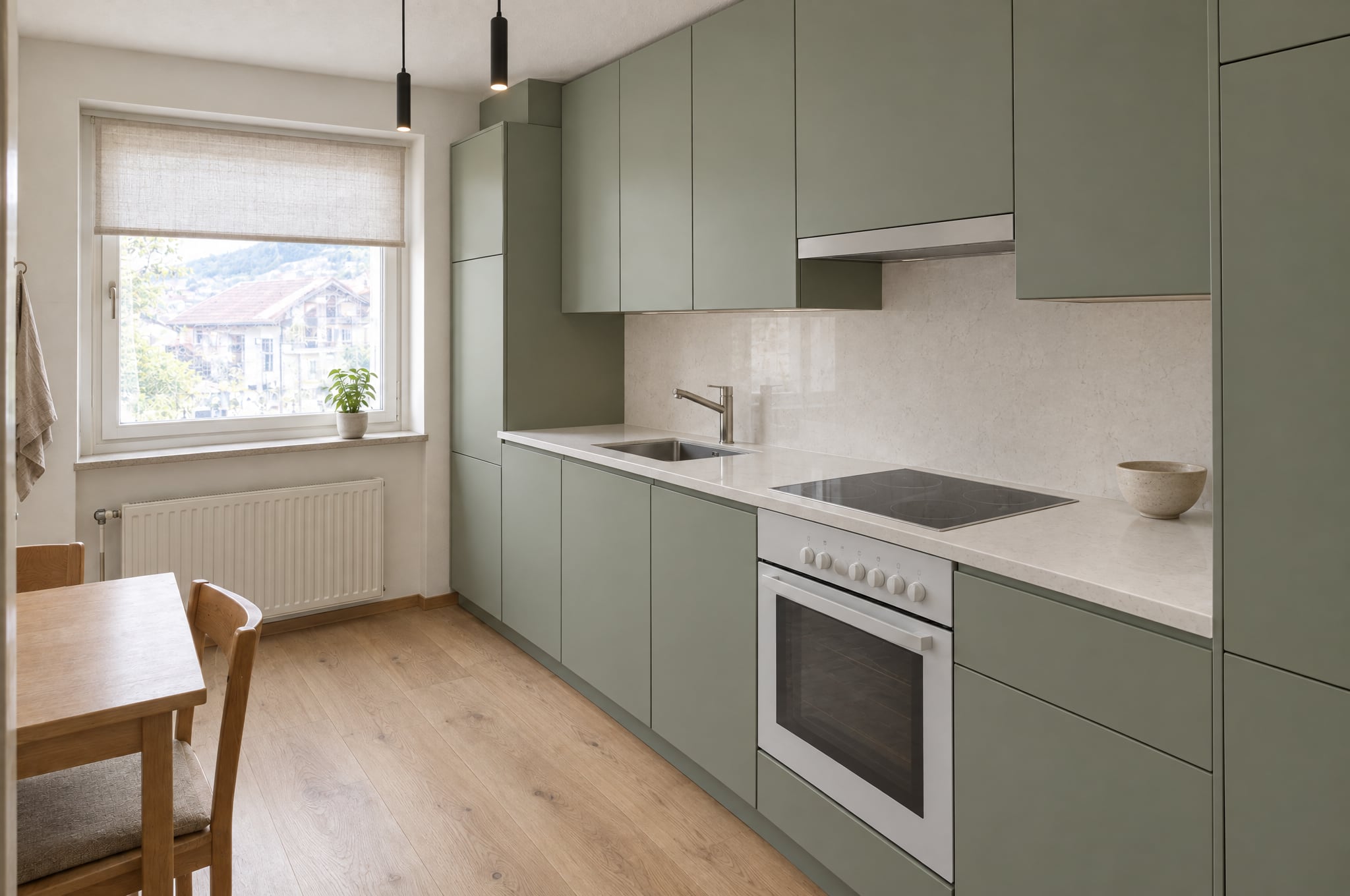
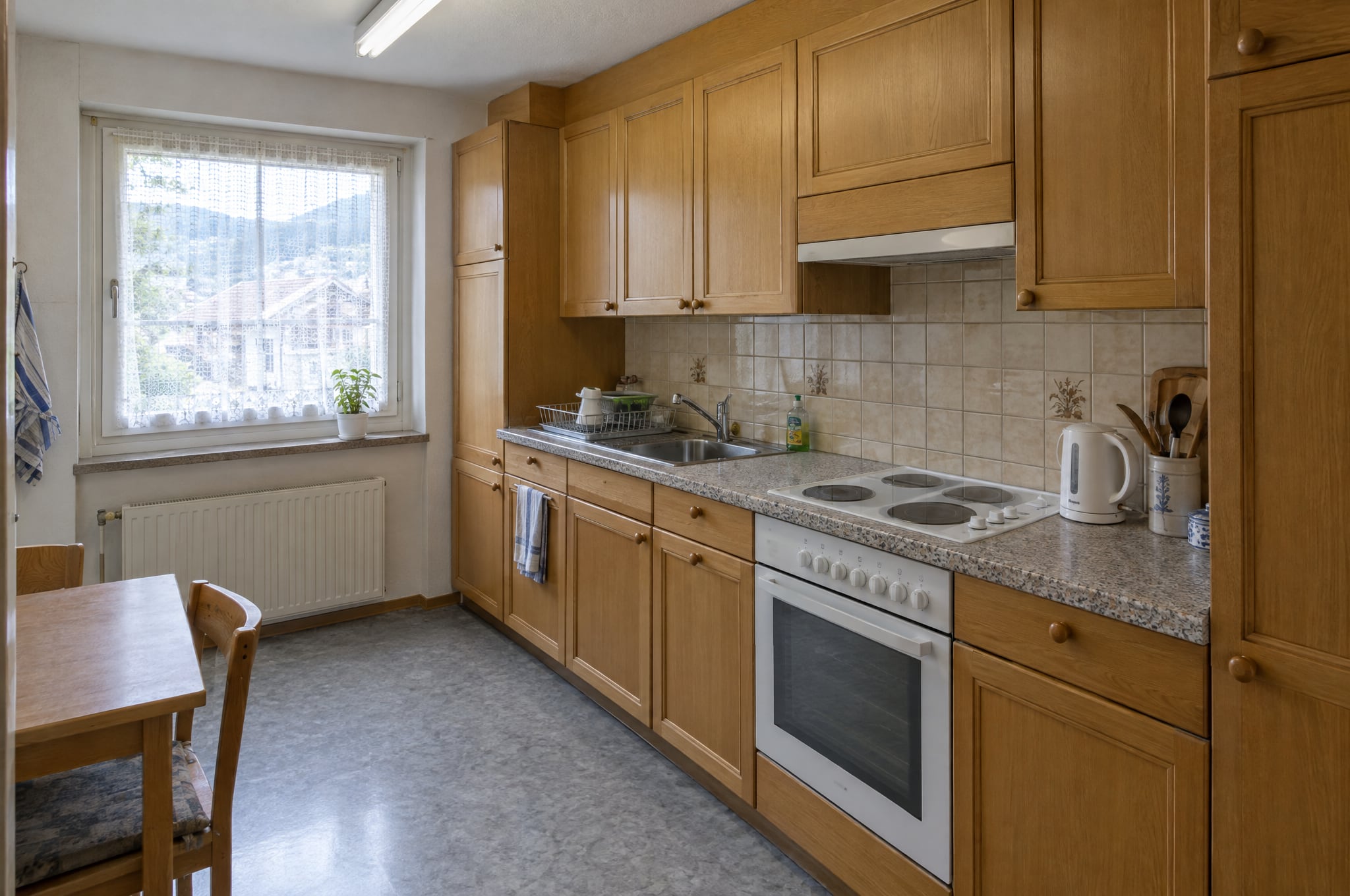
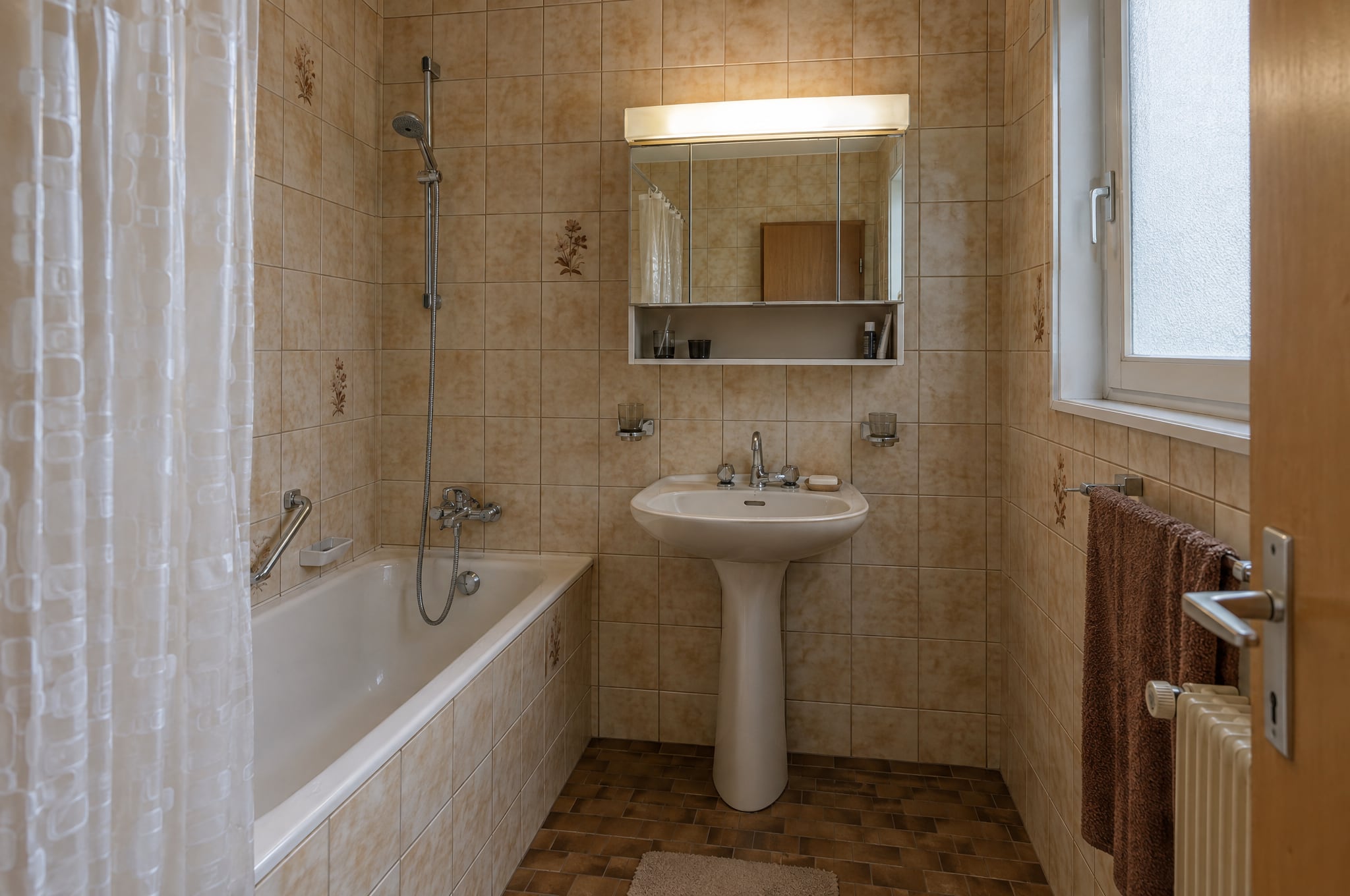
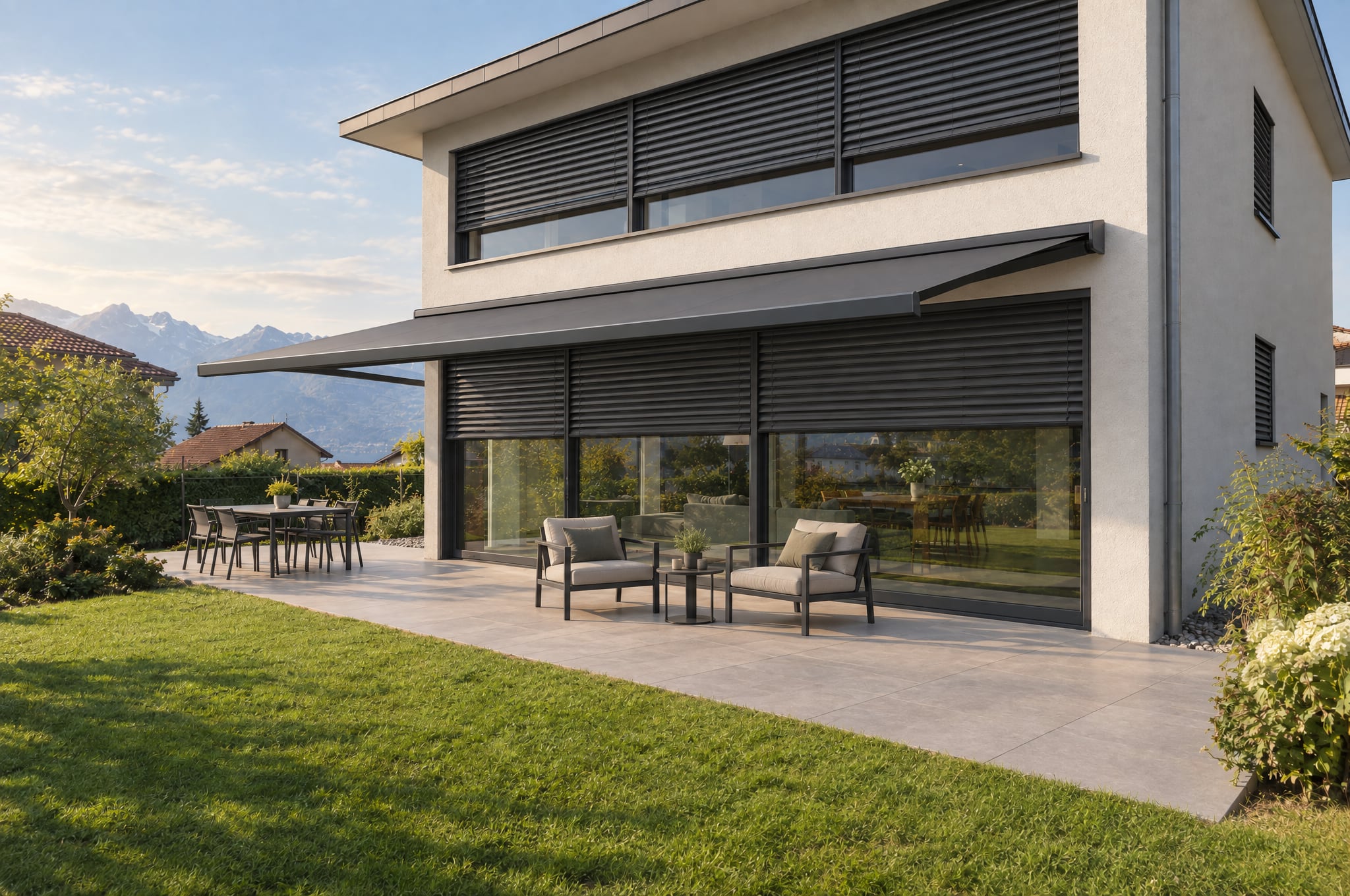
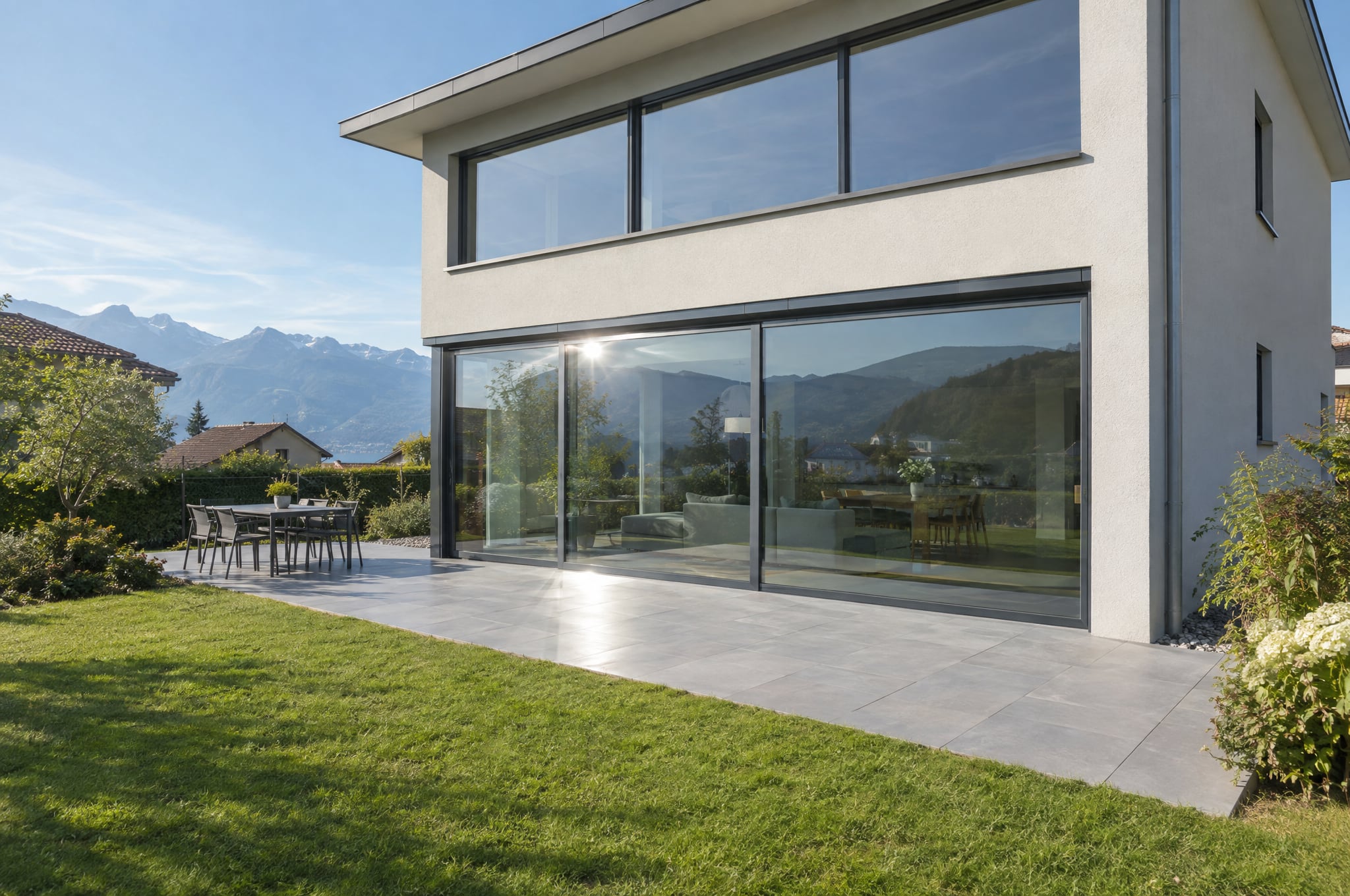
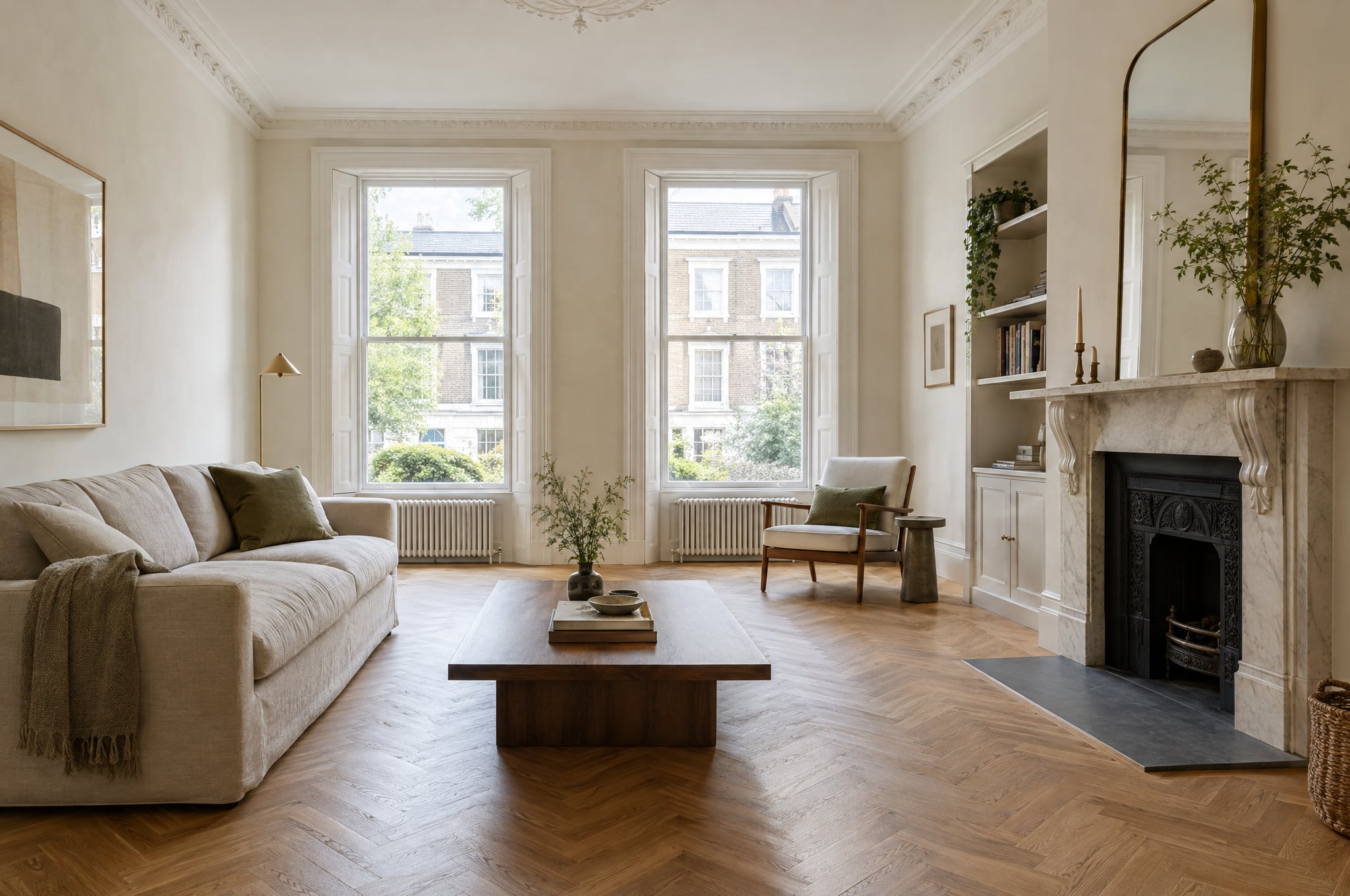
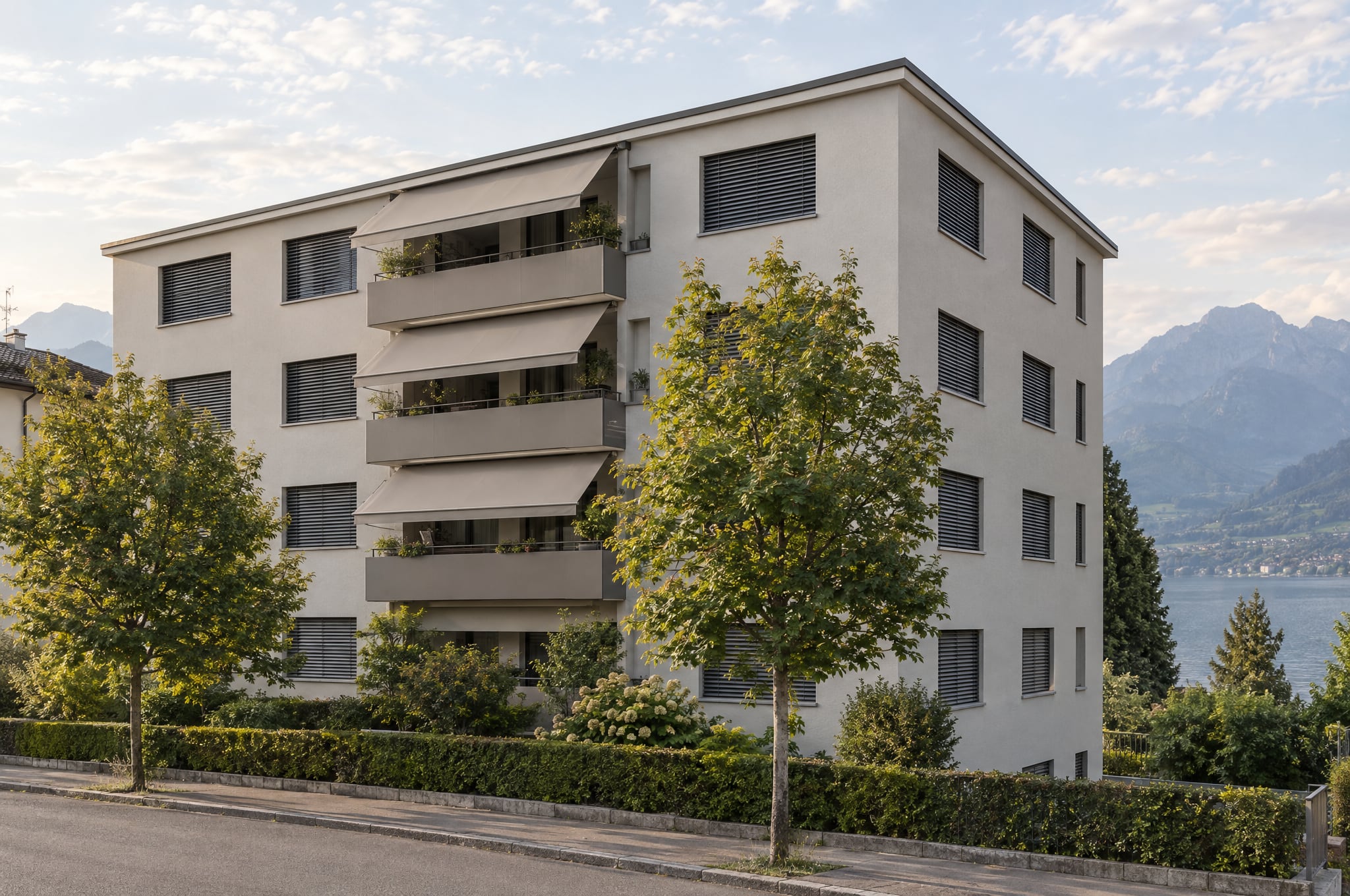
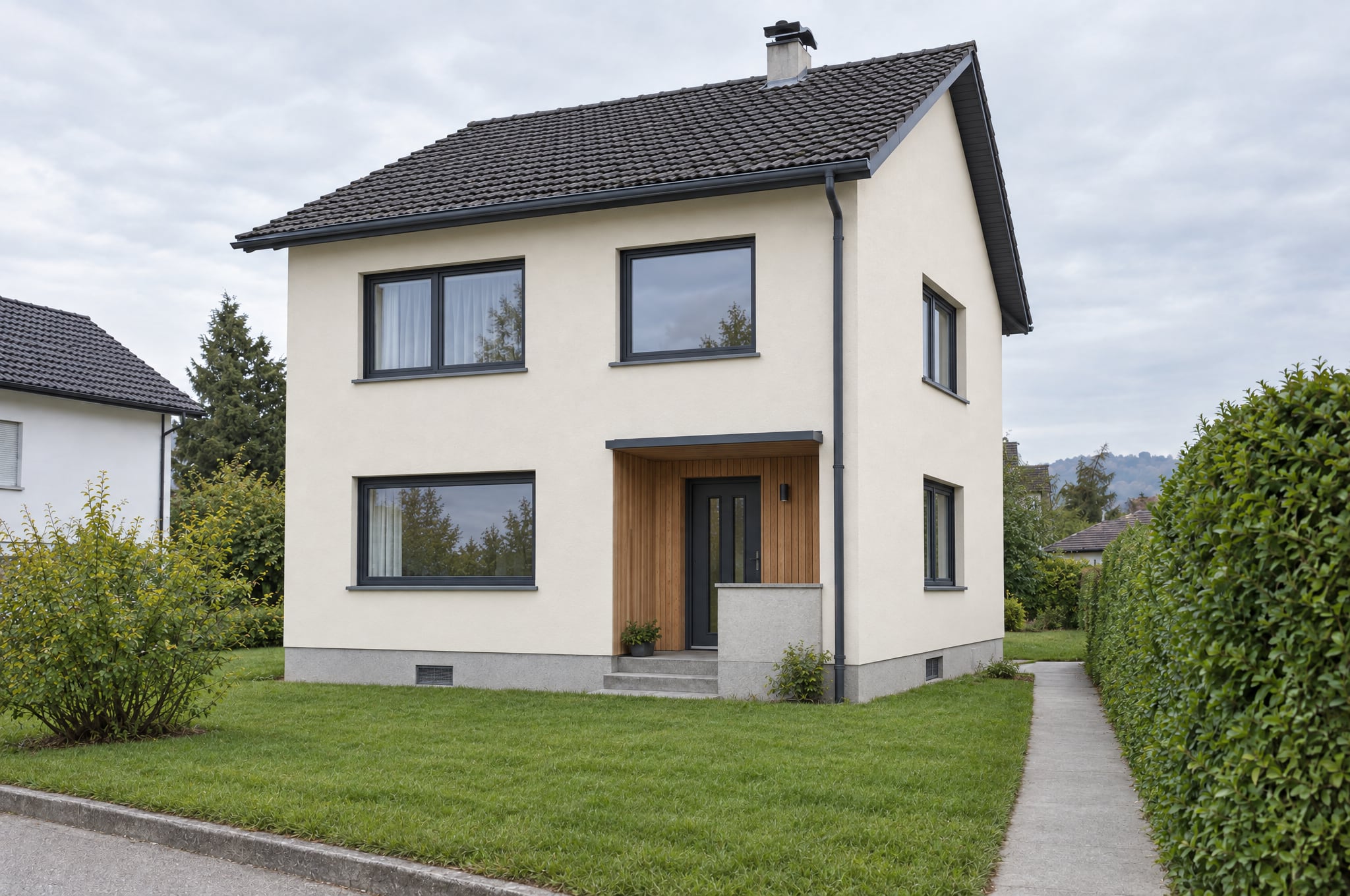
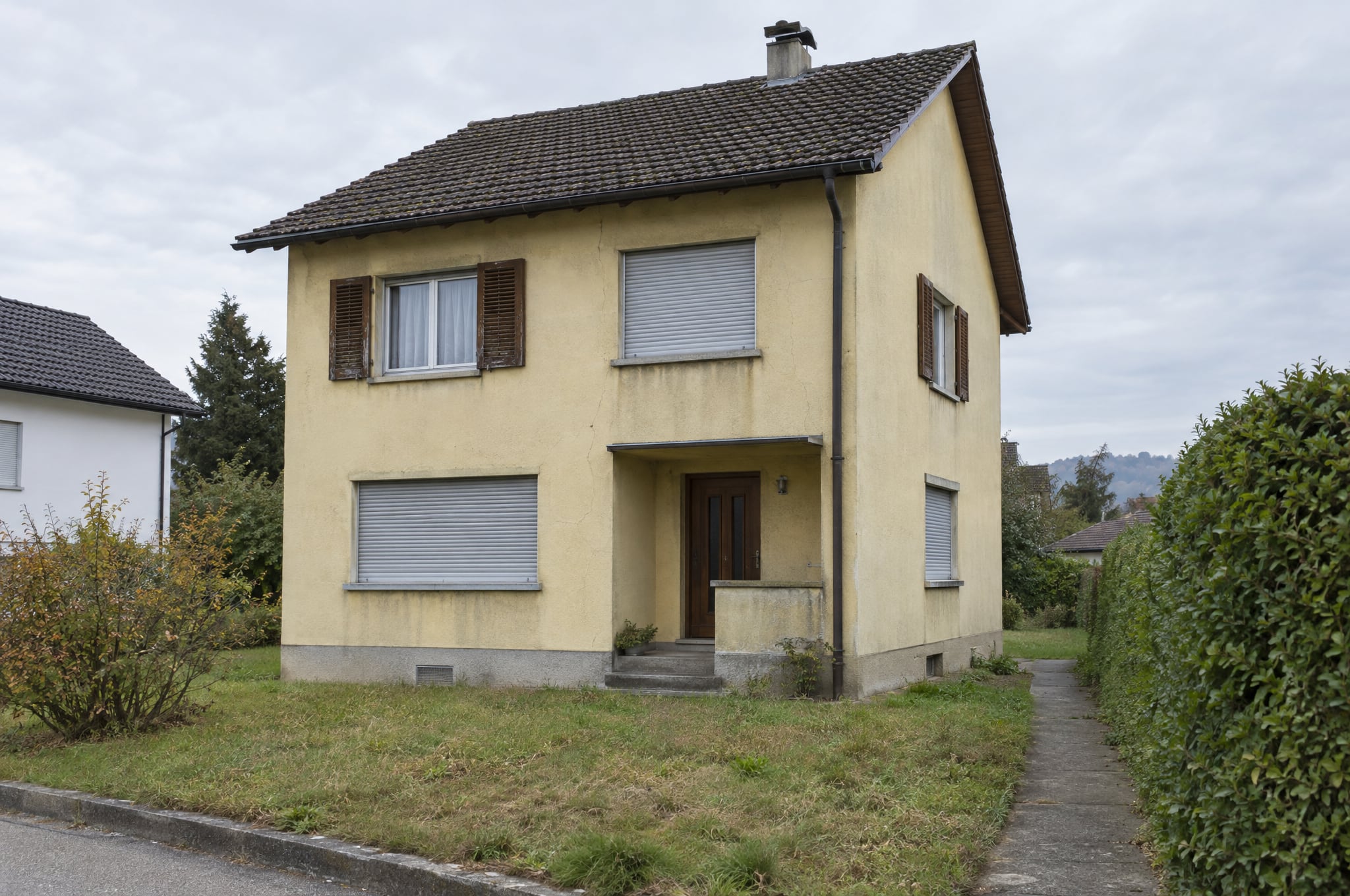
beform Image Engine 2.1. La stanza del cliente, intatta.
Un render è utile solo se il cliente riconosce il proprio spazio. Tutto ciò che c’è dietro le quinte esiste per questo: la geometria resta, i materiali restano entro limiti definiti e ogni risultato viene verificato prima che qualcuno lo veda.
Seven parts, one path from a photo to a request.
The beform Engine is not one model. It is seven parts that run in order, from reading the client's photograph to the request that reaches your team, and a loop that sharpens your own layer as you sell.
- Understand
Perception
The space is read.
Before anything is formed, beform reads the photograph: the geometry of the space and the position of the camera, where every surface starts and stops, the direction of the daylight and the materials already in the room.
- Geometry
- Camera
- Surfaces
- Daylight
- Existing materials
Knowledge
Your company, structured.
Your ranges, finishes, style directions, standards and rules sit in a layer of their own, with your prices where you have configured them, so a visual can only show what your company actually sells.
- Ranges
- Finishes
- Style directions
- Rules
- Standards
- Prices where configured
Direction
The wish becomes an instruction.
The area the client chose, the style they picked, the references they brought and the sentence they wrote become one precise instruction: what has to stay, what may change and how far it may go.
- Area
- Chosen style
- References
- The client's note
- Form
Formation
The visual is formed.
The instruction is routed to the strongest models available for that moment, as Fast, Pro or Ultra, and the visual is formed with the geometry of the client's own photograph held in place.
- Fast
- Pro
- Ultra
- Geometry lock
- Provider routing
Control
Checked before anyone sees it.
Every result is measured against the standards for its area, proportion, light, reflections, seams and edges, and is labelled as an AI visual in the picture and in the file before it is shown.
- Proportion
- Light
- Reflections
- Seams
- Edges
- Label
- Continue
Handover
It becomes a request.
The chosen visual leaves the engine as something your team can act on: a project request with the photo and the contact attached, a line in an offer, a file in your CRM.
- Project request
- Offer line
- Image file
- CRM record
Learning
Your layer gets sharper.
What your consultants keep, change or discard, and what clients choose in the end, is fed back into your own layer, so the next visual starts closer to the standard your company would sign off.
- Consultant feedback
- Client choices
- Your house standard
The loop
Learning feeds knowledge. Every project the company sells teaches its own layer, and the engine starts the next visual from there.
Built by people who learned how this work is sold.
A general model knows what a kitchen looks like. It does not know where a worktop joint belongs, which fronts a company stocks, or what happens between an inquiry and a signed offer. That knowledge is the product.
The trades
beform is built for one kind of work: changing a space someone already lives with. Every trade sells differently, shows differently and has its own vocabulary, so every trade has its own rules inside the engine rather than one general setting.
- Kitchen studios
- Bathroom specialists
- General contractors
- Facade and painting
- Landscapers and pool builders
- Windows and sun protection
- Flooring and interior finishing
- Architects and developers
How materials behave
A visual is convincing or wrong in the details a fitter would notice. Those details are written as rules and tested per area, because a general model has no reason to know them.
- Where a surface starts and where it stops
- Joints, seams, skirting and silicone lines
- Edges, profiles and window reveals
- Gloss level, grain and how a finish takes daylight
- Fitted lighting against the light already in the room
- Whether the result could actually be built
How these companies sell
The work is sold by people, in a sequence that has not changed: an inquiry, a showroom appointment, a site visit, a measured offer, a lead time of weeks. beform is shaped around that sequence, which is why a visual ends as a request and an offer line rather than a download.
- The inquiry, and who answers it first
- The showroom appointment and the site visit
- Ranges, suppliers and lead times
- What may be promised in an offer, and what may not
- Who signs off a visual before a client sees it
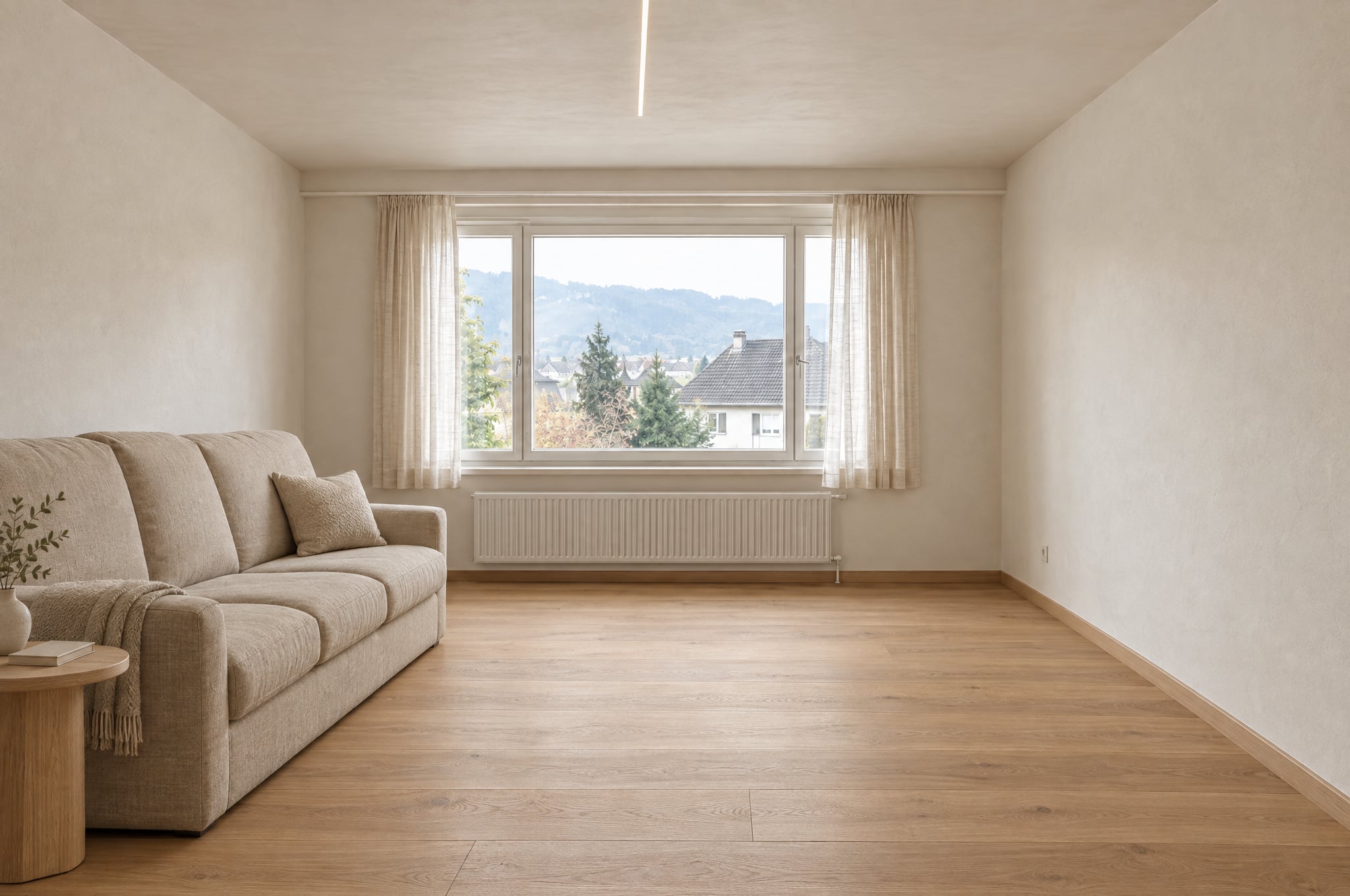
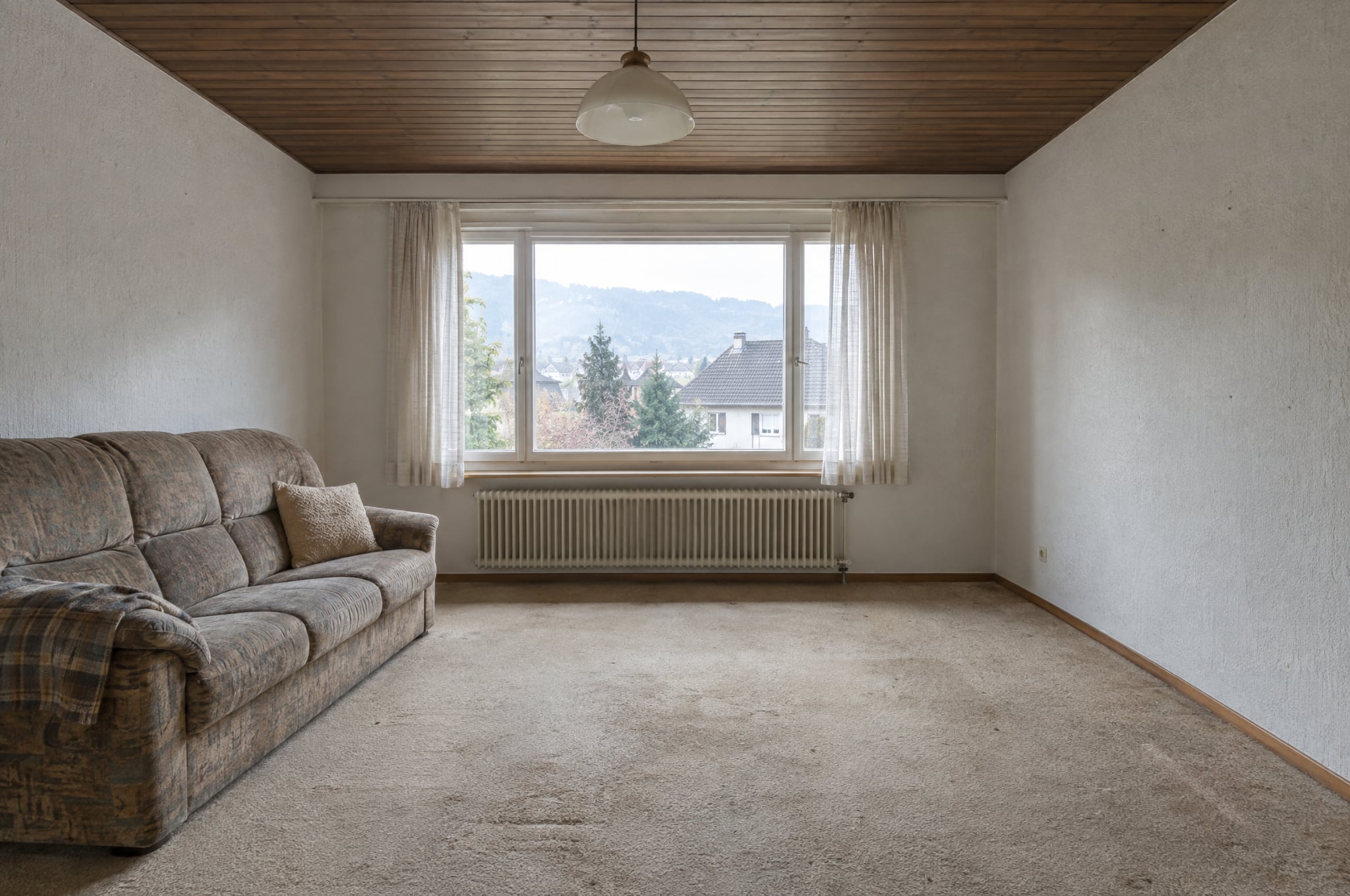
Le linee della stanza restano dove erano.
Prima di generare qualsiasi render, beform traccia le pareti, la finestra, la linea del soffitto e la posizione della fotocamera. Quelle linee sono fisse. Il render può cambiare solo ciò che cambierebbe una ristrutturazione.
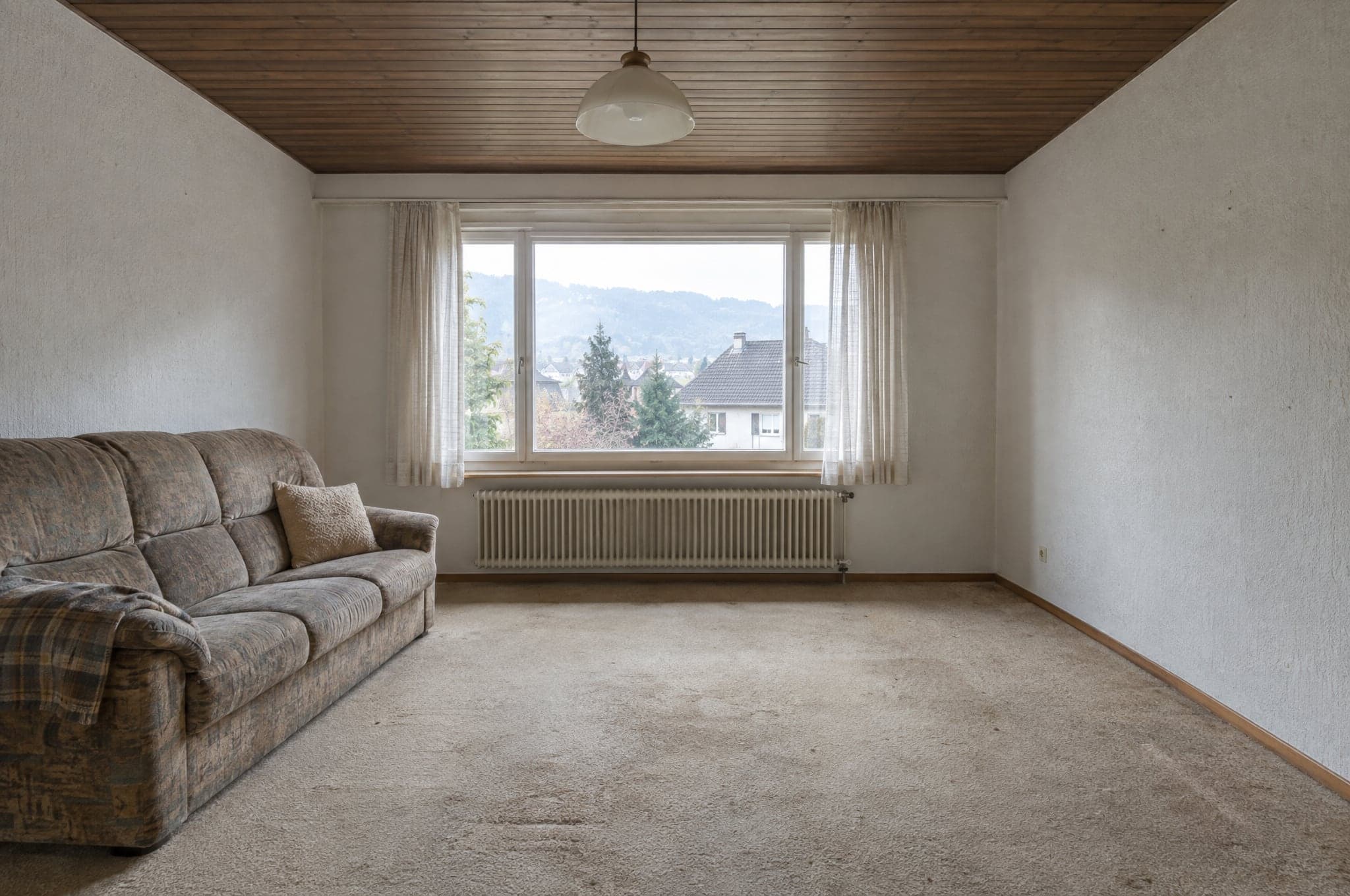
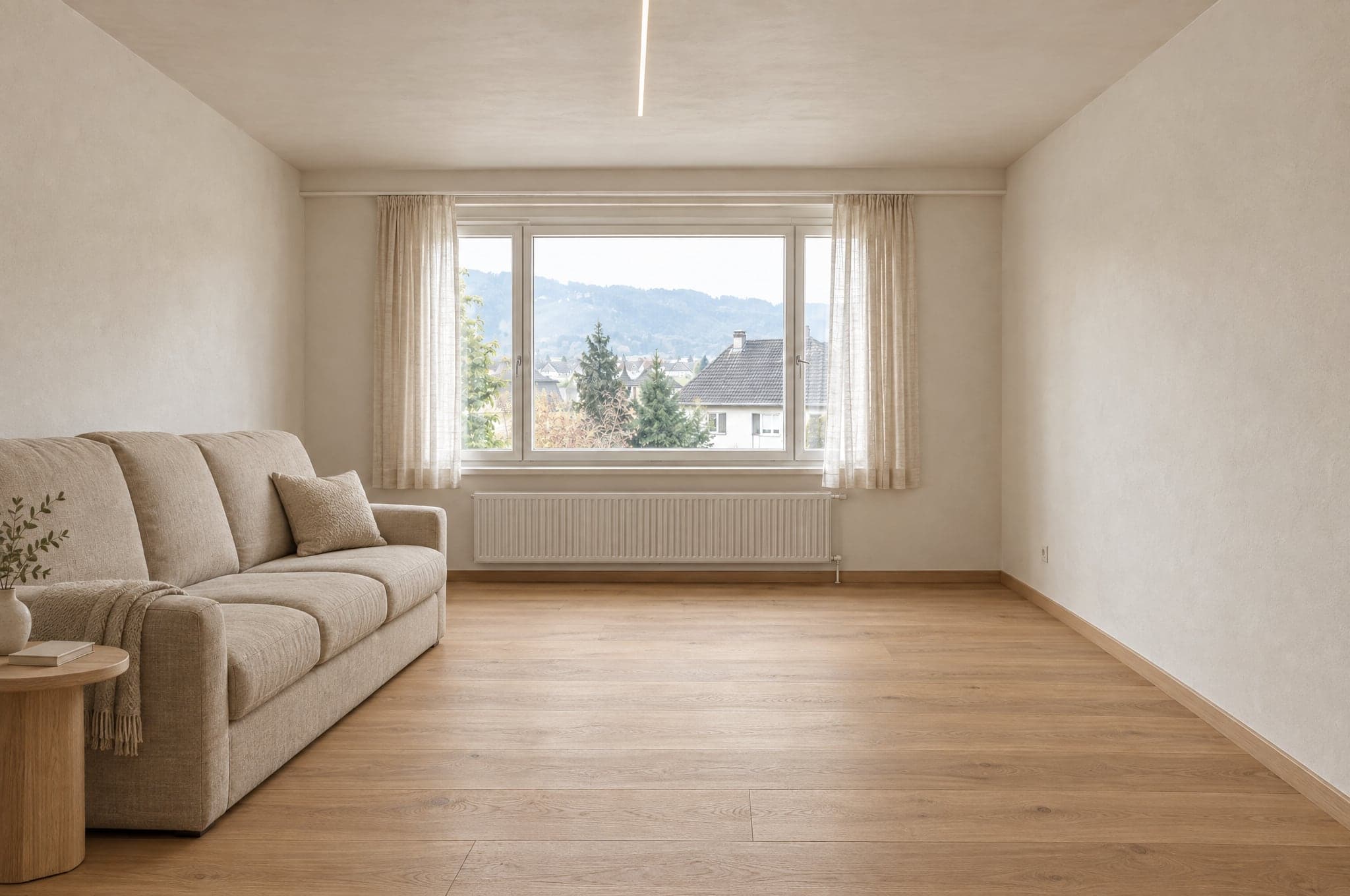
Resta come nella foto
- Pareti e soffitto
- Finestre e porte
- Proporzioni della stanza
- Posizione della fotocamera
- Direzione della luce naturale
Cambia con la direzione stilistica
- Superfici e finiture
- Mobili e arredi
- Rubinetteria e accessori
- Colori
- Illuminazione
Ogni ambiente ha la propria gamma di materiali.
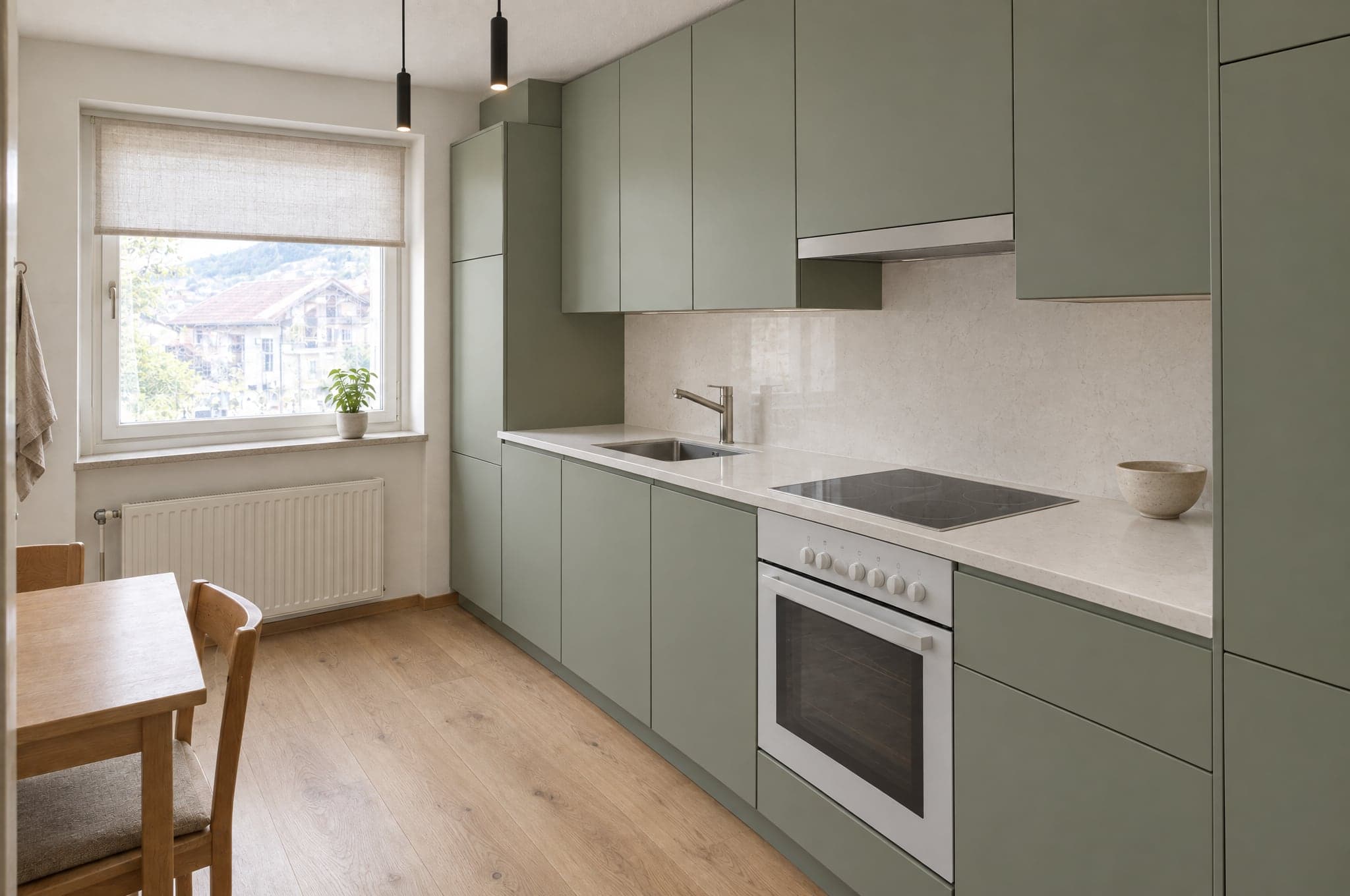
Una cucina non riceve mai piastrelle da doccia e una facciata non riceve mai pittura per interni. Con il System il limite è il Suo catalogo, così un render mostra solo prodotti che vende.
Cucina
- Ante
- Piani di lavoro
- Schienale
- Pavimento
- Illuminazione
Fuori dai limiti
Piastrelle della doccia
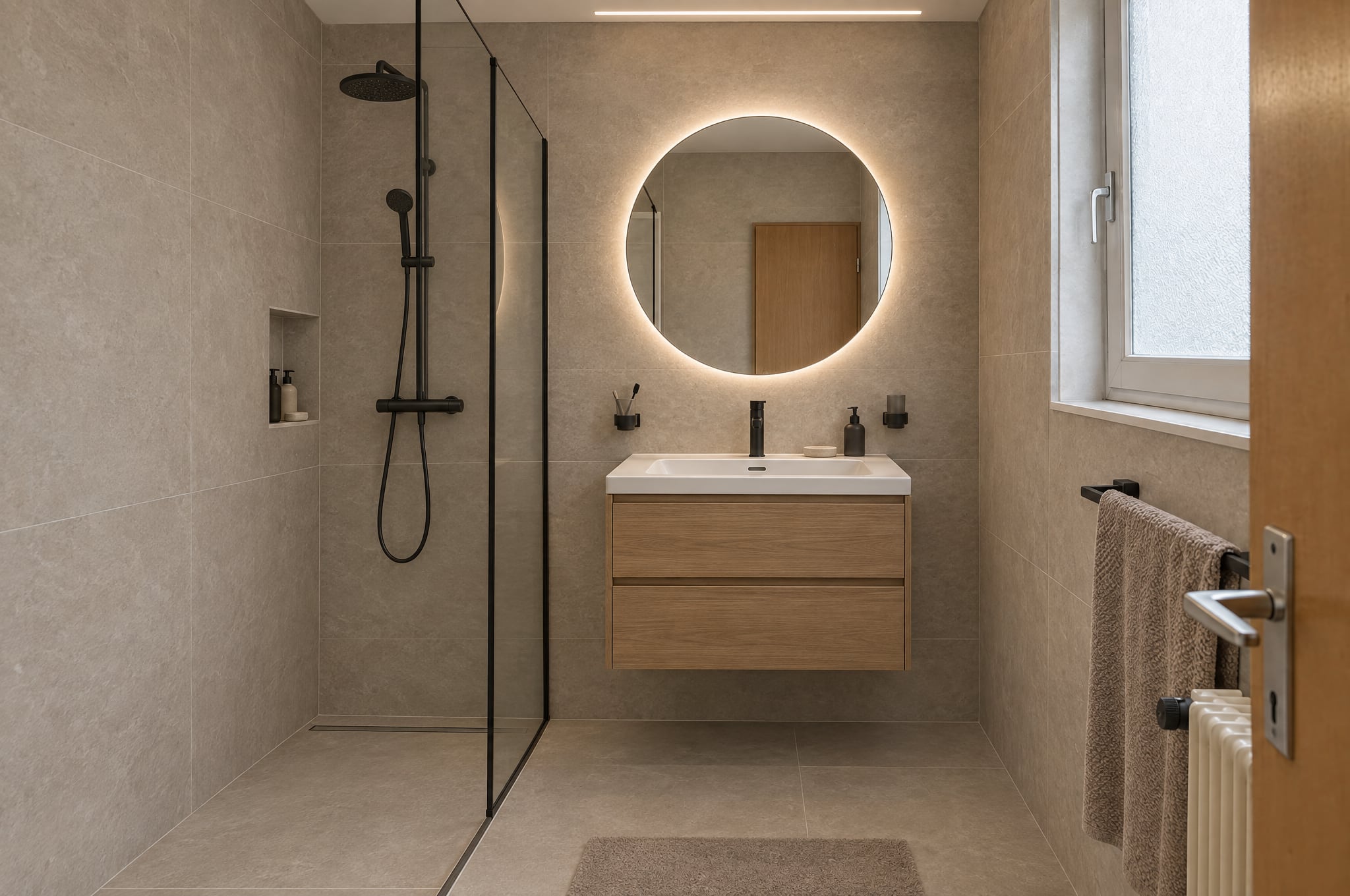
Bagno
- Piastrelle a parete
- Mobile lavabo
- Rubinetteria
- Doccia
- Pavimento
Fuori dai limiti
Ante della cucina
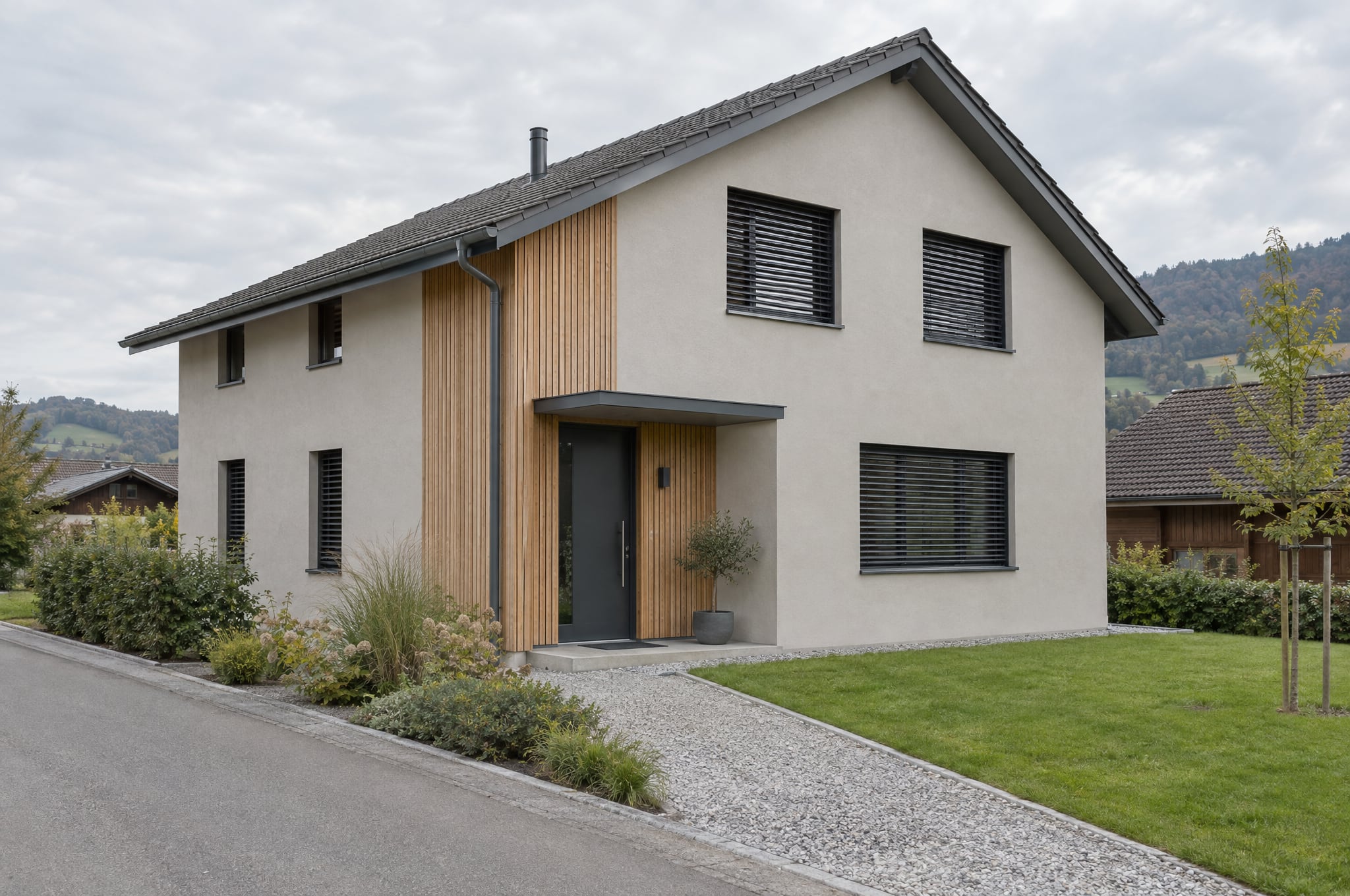
Facciata
- Intonaco
- Rivestimento
- Telai delle finestre
- Colore
- Ingresso
Fuori dai limiti
Pittura per interni
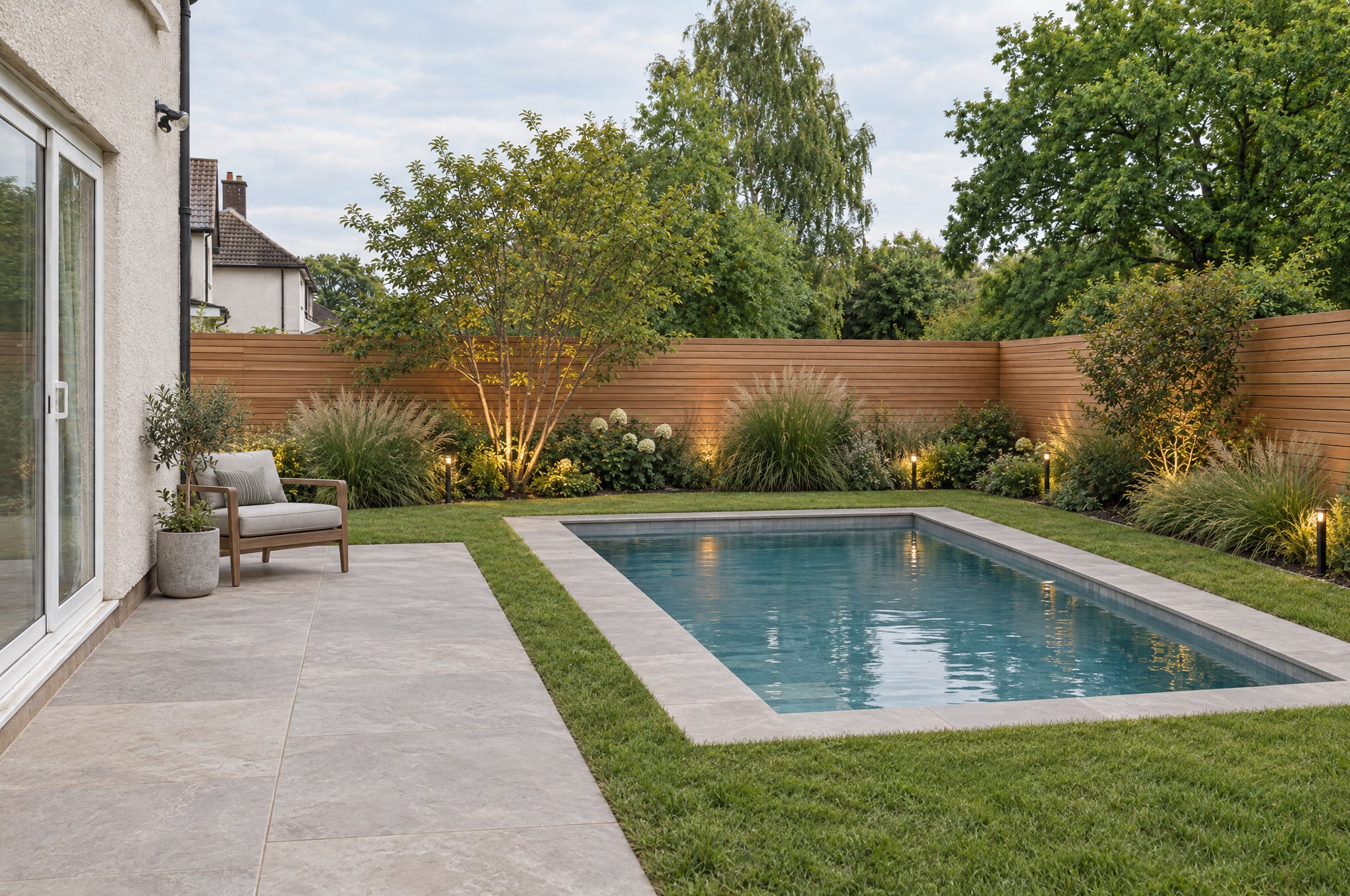
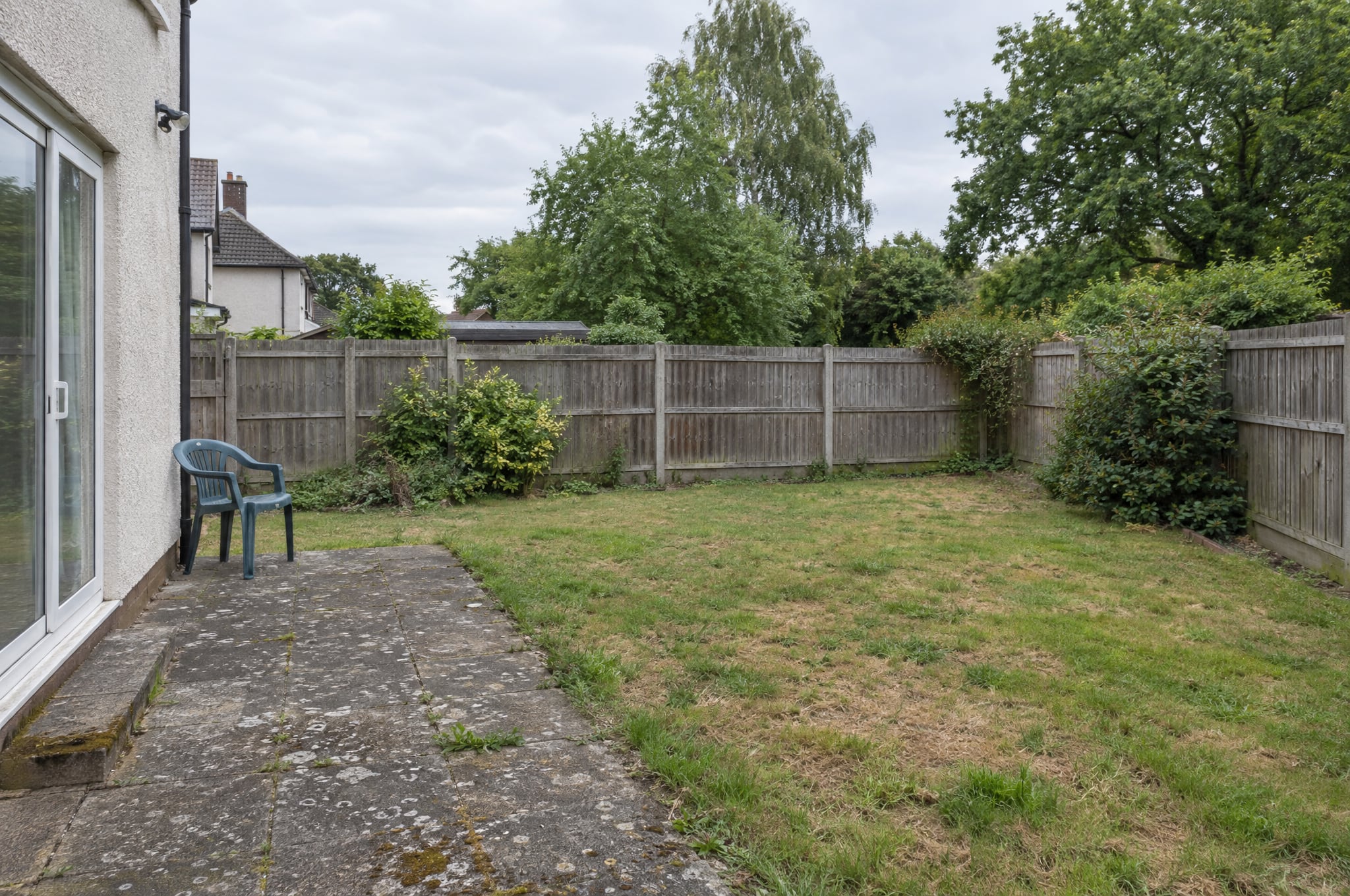
Giardino e piscina
- Pavimentazione
- Piantumazione
- Piscina
- Terrazza
- Illuminazione
Fuori dai limiti
Parquet
The models do the generating. beform does the rest.
beform does not train a foundation model. It builds and teaches the layer that makes the strongest general models reliable for kitchens, bathrooms, facades and gardens, and it keeps moving that layer onto whichever models are best.
The beform layer
Everything that makes those models reliable for kitchens, bathrooms, facades and gardens is built and taught by beform. It is where the work sits, and it is what a company is buying.
Rules per trade and per area
What may change in a kitchen, a bathroom, a facade or a garden, and what must never move. Written per trade, tested per area.
The geometry lock
Walls, windows, doors, ceiling and camera are traced from the photograph and held, so the client still recognises their own space.
The material library
How a finish behaves in a room, and how each behaviour maps to the products a company actually sells.
The company's own teaching
References, product data, finished projects and consultant feedback become a layer that belongs to that company alone.
Routing between providers
Each step goes to the model that is currently best at it. When a stronger model appears, the routing moves and the rules stay.
Evaluation sets
Fixed sets of real rooms per area. A new model or a changed rule is run against them and compared before it reaches an account.
The quality gate
The standards every result is measured against, and the specialist review before an account goes live.
The general models
Generating an image and reading a sentence is done by the strongest current models from several providers. beform does not train a foundation model of its own, and does not claim to.
A picture is the start, not the deliverable.
The engine is judged on what your company can do next with the result, which is why it produces more than an image.
What it produces
- A photorealistic visual of the client's own space, in a direction from your range.
- Several versions to compare, each one kept and named.
- An image file labelled as AI-generated, in the picture and in the metadata.
- A project request with the photo, the area, the chosen direction and the contact.
- A visual your consultant can carry straight into the offer.
- An indicative price range, where a company has configured its prices.
Who it is for
The client on your website
Sees their own kitchen, bathroom, facade or garden finished before anyone visits, and keeps the picture to show whoever decides with them.
The consultant in the meeting
Opens the same visual, changes materials while the client watches, and leaves with a decision instead of a list of adjectives.
The marketing team
Runs campaigns that answer with the visitor's own space, and receives requests that are already qualified.
The owner
Sees where requests come from, what the rendering costs and which visuals turned into signed work.
The same photo in a chat app gives you a nice picture.
It will not give you your room, your range, the same answer twice, or anything your team can send. That is the difference between a prompt and a taught layer.
It holds the room
A prompt in a chat app is free to redraw the space. The layer traces the geometry first and holds it, so the result is still the client's room.
It shows only what you sell
A general model invents a plausible product. The layer is bounded by your catalog, so what the client chose can be quoted.
It is the same every time
The same photo and the same direction give a comparable result for every consultant, instead of depending on who writes the better prompt.
It does not stop at the picture
The visual arrives as a request, an offer line and a labelled file, in your brand and in your CRM, with the usage accounted for.
Verificato prima che qualcuno lo veda.
Ogni motore viene testato secondo gli stessi standard di verifica per ambiente prima di essere attivato. I nuovi motori entrano solo se li superano.
Measured automatically
Every result is checked against the standards for its area before it is shown: proportion, light, reflections, seams and edges, and whether the traced geometry still matches the photograph it came from.
Signed off by a specialist
Before an account goes live, a beform specialist works through its styles, materials and sample renders by hand, area by area, and each area is released only when it holds.
When a result does not hold
It is formed again with a corrected instruction, or on a stronger engine. If it still does not hold, the other directions are shown instead, and the case joins the evaluation set for that area.
What a visual is not
It is an illustration of a direction, not a plan and not a quote. It is not to scale, measurements and price ranges are indicative, and the company confirms materials, feasibility and price in its own offer.
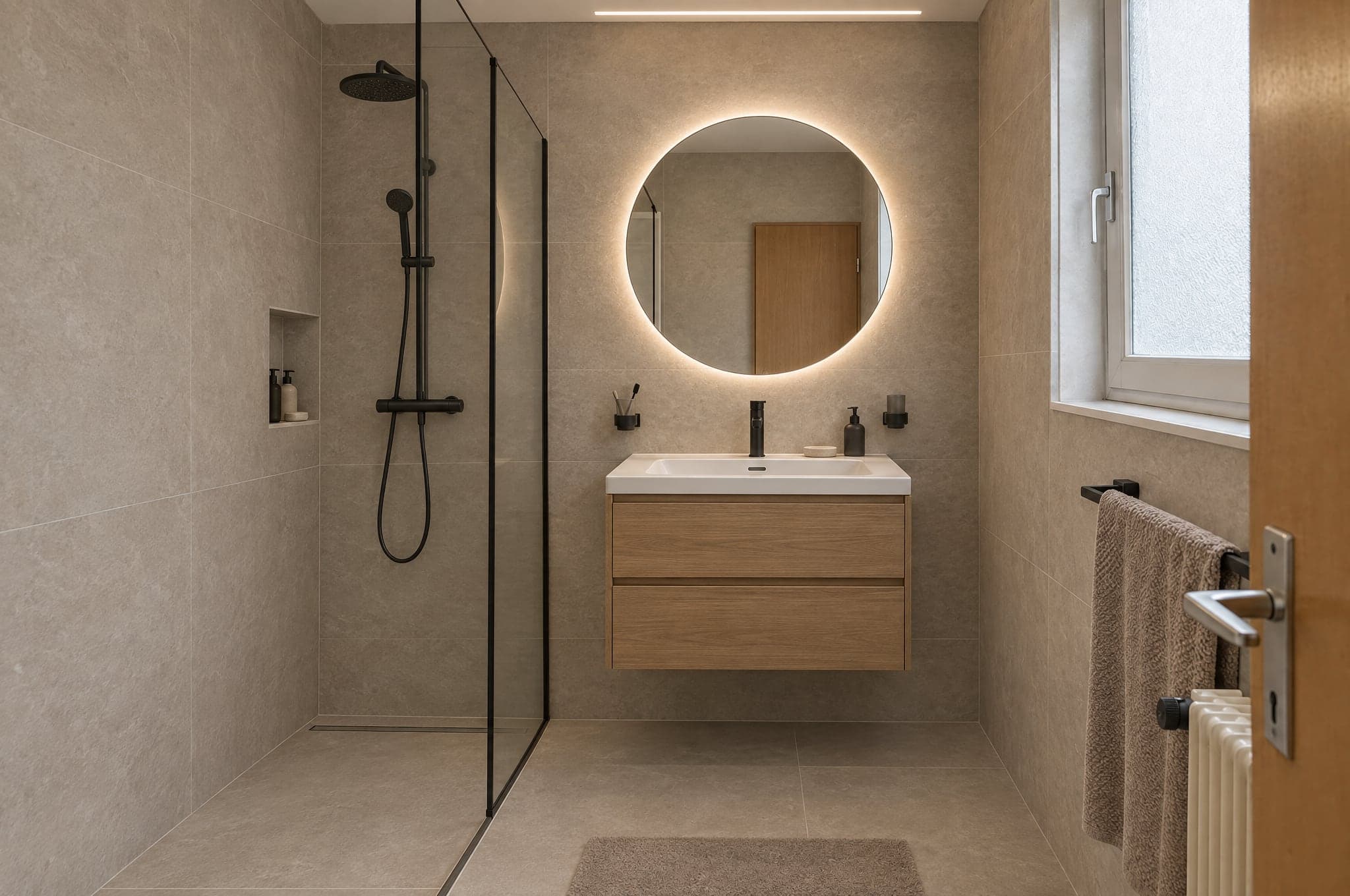
Verifica
Superato- Proporzioni
- Luce
- Riflessi
- Giunti
- Bordi
Tre motori, scelti per i loro punti di forza.
Scelga il motore per prodotto e per momento. Bozze con Fast, il sito web con Pro, le presentazioni con Ultra. Ogni risultato supera lo stesso controllo qualità prima che un cliente lo veda.
Per le presentazioni
Ultra
La massima fedeltà all’ambiente reale del cliente. Geometria, luce e materiali reggono a schermo intero e in stampa.
FedeltàVelocità- Tempo tipico
- da 40 a 90 s
- Ideale per
- Preventivi, presentazioni dei consulenti, progetti di pregio
Per tutti i giorni
Pro
Nitido e affidabile. Il motore predefinito sul sito e nella consulenza di tutti i giorni.
FedeltàVelocità- Tempo tipico
- da 15 a 30 s
- Ideale per
- Showroom sul sito, lavoro quotidiano nello Studio
Per i volumi
Fast
Prime direzioni in pochi secondi, per campagne in cui il volume conta più dell’ultimo dettaglio. Ogni risultato passa a Pro o Ultra con un clic.
FedeltàVelocità- Tempo tipico
- da 5 a 10 s
- Ideale per
- Landing page delle campagne, prime direzioni
Sul Suo sito web, o su un Suo indirizzo.
Lo Showroom funziona ovunque i Suoi clienti La trovino già. Lo Studio funziona nel browser: sul tablet in esposizione, sul telefono in cantiere e sullo schermo in ufficio.
- <script>
 Conserva la mia immagine
Integrato nel sito
Un tag script inserisce lo Showroom in qualsiasi pagina del sito. WordPress, Webflow, Shopify, Squarespace o un sito su misura. Eredita i colori e il carattere tipografico del sito.
- visual.azienda.comIl Suo bagnoNaturale caldoConserva la mia immagine
Su un sottodominio proprio
Uno Showroom ospitato su un indirizzo come visual.azienda.com, per campagne, codici QR in esposizione e siti che si preferisce non toccare.
Le richieste arrivano dove il Suo team lavora già.
32 integrazioni per CRM, automazione, siti web, marketing e comunicazione. I webhook e la REST API coprono tutto ciò che non è in elenco.
CRM e vendite
Le richieste diventano contatti, lead e trattative.
- HubSpot
Ogni richiesta diventa un contatto e una trattativa con le immagini allegate.
- Salesforce
I lead arrivano nella Sua org con ambiente, direzione e render come campi e file.
- Pipedrive
Una nuova trattativa per ogni richiesta, nella fase scelta, con l’immagine sulla scheda.
- Zoho CRM
Contatto e lead creati in Zoho CRM, render salvati come allegati.
- Microsoft Dynamics 365
Lead creati in Dynamics 365 Sales con i dettagli della richiesta e le immagini.
- monday.com
Un nuovo elemento sulla board vendite per ogni richiesta, immagini incluse.
- Bexio
Contatto creato in Bexio, così il preventivo può partire dalla richiesta.
- Odoo
Un’opportunità in Odoo CRM con la foto, la direzione e il contatto.
Automazione
Ogni richiesta instradata dove il processo ne ha bisogno.
- Zapier
Un trigger per ogni richiesta, instradata ovunque arrivi Zapier.
- Make
Gli scenari partono da una nuova richiesta e trasportano tutti i dati.
- n8n
Workflow self-hosted che partono da un evento di richiesta firmato.
- Airtable
Ogni richiesta come record, i render come allegati, pronti da filtrare.
- Google Sheets
Una riga per richiesta, per i team che gestiscono le vendite da un foglio di calcolo.
- Webhook
Una POST firmata per ogni richiesta, con tutti i campi e gli URL delle immagini.
- REST API
Leggere richieste, render e versioni, o avviare render dai propri sistemi.
Siti web
Lo Showroom funziona sul sito che già esiste.
- WordPress
Un tag script su qualsiasi pagina, o una pagina ospitata sul proprio dominio.
- Webflow
Lo Showroom in qualsiasi sezione, con un elemento embed.
- Shopify
Una pagina Showroom nel tema, con le richieste collegate al cliente.
- Squarespace
Lo Showroom su qualsiasi pagina con un blocco di codice.
- Wix
Lo Showroom incorporato con un elemento di codice personalizzato.
- Framer
Lo Showroom in una pagina con un componente embed.
Marketing e analisi
Misurare il percorso e alimentare le campagne.
- Google Analytics
Caricamenti, direzioni e richieste come eventi in GA4.
- Google Tag Manager
Ogni passaggio del percorso inviato al data layer.
- Google Ads
Le richieste qualificate rimandate come conversioni per le strategie di offerta.
- Meta
Richieste registrate come conversioni per le campagne Meta.
- Mailchimp
I clienti che conservano la propria immagine entrano nel pubblico scelto.
- Brevo
Contatti e direzione scelta sincronizzati per il ricontatto.
Comunicazione
Informare il team, rispondere al cliente.
- Slack
Un messaggio nel canale vendite per ogni nuova richiesta, immagine inclusa.
- Microsoft Teams
Nuove richieste pubblicate nel canale seguito dal team.
- WhatsApp
I clienti conservano la propria immagine su WhatsApp e rispondono lì al team.
- Gmail
Notifiche delle richieste con l’immagine nel testo, pronte per la risposta.
- Calendly
I clienti prenotano la consulenza subito dopo aver conservato la propria immagine.
Contrassegnato come IA, in modo visibile e nel file.
beform è costruito per le regole di trasparenza dell’AI Act dell’UE. Ogni immagine dichiara che cos’è, alla persona che la guarda e al software che la apre.
Come beform contrassegna e gestisce oggi le immagini. Non è una certificazione.
Un’etichetta visibile
Ogni immagine della demo porta un’etichetta beform visibile, così nessuno la scambia per una fotografia.
Contrassegnato nel file
Le immagini consegnate da beform contengono metadati IPTC che le identificano come generate con IA, lo standard usato da editori e piattaforme.
Un’illustrazione del proprio spazio
La geometria della foto del cliente viene mantenuta, e ogni immagine è presentata come illustrazione di una direzione, non come progetto finito.
Nessuna decisione sulle persone
Nessun trattamento biometrico e nessuna decisione automatizzata sulle persone. Prima della messa online, uno specialista verifica a mano la configurazione e i render di prova.
Sviluppato in Svizzera, ospitato nell’UE.
Ciò che chiederanno il Suo reparto IT e il Suo avvocato, con le risposte in un unico posto.
- Ospitato in Europa
- La piattaforma funziona a Francoforte. I motori di rendering ricevono una foto solo per il render, con condizioni commerciali che escludono l’addestramento.
- Crittografia a riposo e in transito
- TLS su ogni connessione, AES-256 su ogni file e database archiviato.
- Conservazione concordata
- I caricamenti vengono eliminati dopo 30, 90 o 365 giorni, oppure subito dopo la consegna, come stabilito nel contratto.
- Nessun addestramento sulle immagini dei clienti
- Le foto e i render dei clienti non vengono mai usati per addestrare modelli, né nostri né di altri.
- Un’azienda svizzera soggetta al diritto svizzero e dell’UE
- beform è sviluppato e gestito da crue GmbH, Svizzera, nel rispetto della LPD svizzera e del GDPR. Un accordo sul trattamento dei dati fa parte di ogni contratto.
- Single sign-on con il System
- SAML e OIDC con il Suo provider di identità, ruoli per utente e un registro di ogni render e di ogni consegna.
- Pronto per l’AI Act dell’UE
- Ogni immagine è contrassegnata come generata con IA, in modo visibile e nel file. Nessun trattamento biometrico e nessuna decisione automatizzata sulle persone. I dettagli sono nella Nota su IA e visualizzazione.
- A Swiss company under Swiss and EU law
- beform is built and operated by crue GmbH, Switzerland, under the Swiss FADP and the GDPR. A data processing agreement is part of every contract.
Richieda una presentazione sui Suoi progetti.
Veda beform sulle stanze, sulle facciate e sui giardini che i Suoi clienti Le inviano davvero. Niente slide, niente cucina campione.
- 01Ci invia il Suo sito web e una riga su cosa vende.
- 02Edvin prepara le immagini a partire da tre dei Suoi progetti.
- 03Trenta minuti insieme sul risultato, sul flusso delle richieste e sulla formula.
 Edvin KarlssonPartner, beform
Ci dica da dove partire
Edvin risponde entro un giorno lavorativo con un orario e le indicazioni su cosa inviare.
Veda beform su una foto di un Suo cliente.
Carichi una foto nella demo e la guardi prendere forma. Oppure prenoti trenta minuti: proveremo beform su tre dei Suoi progetti reali.