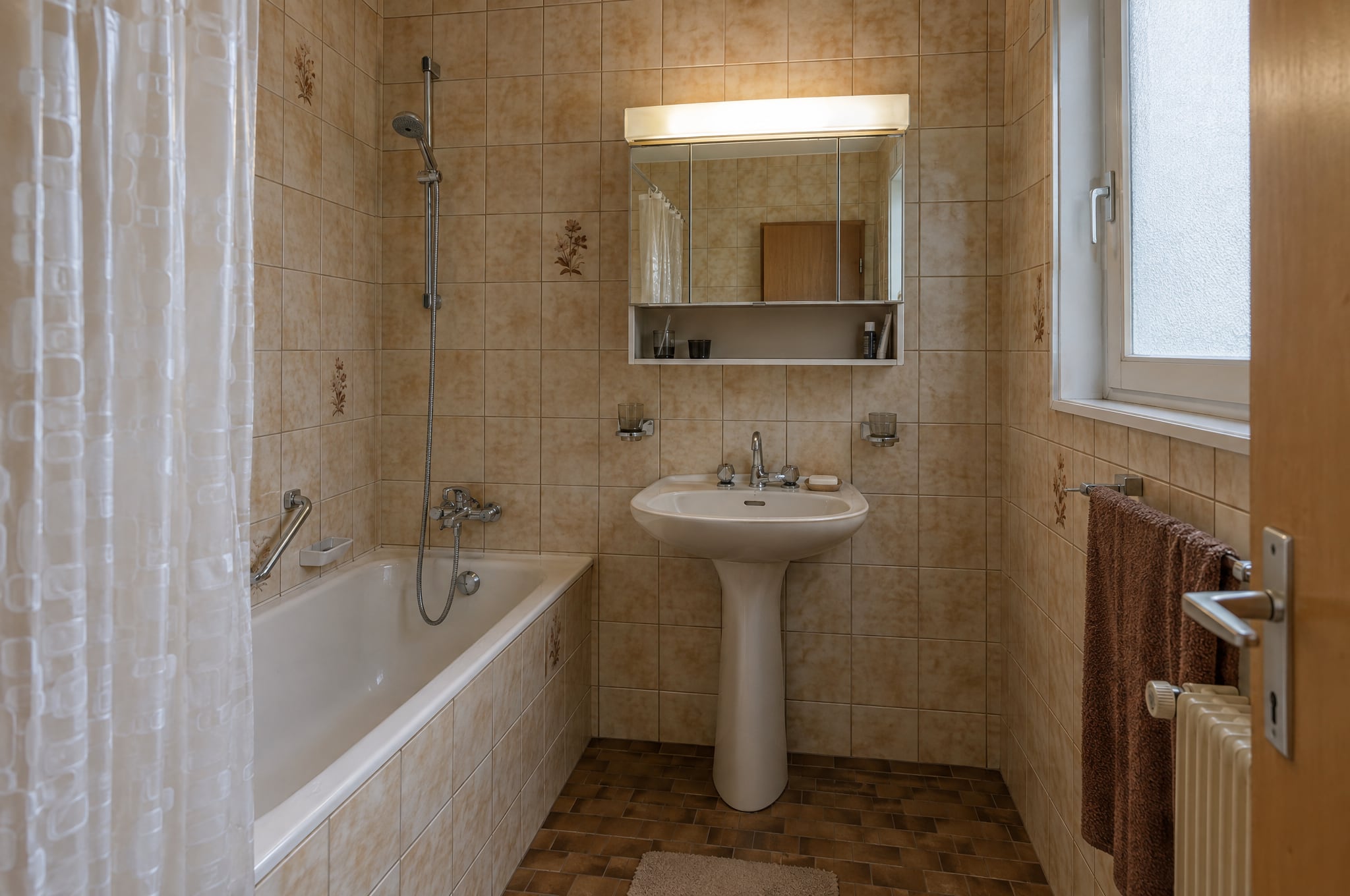
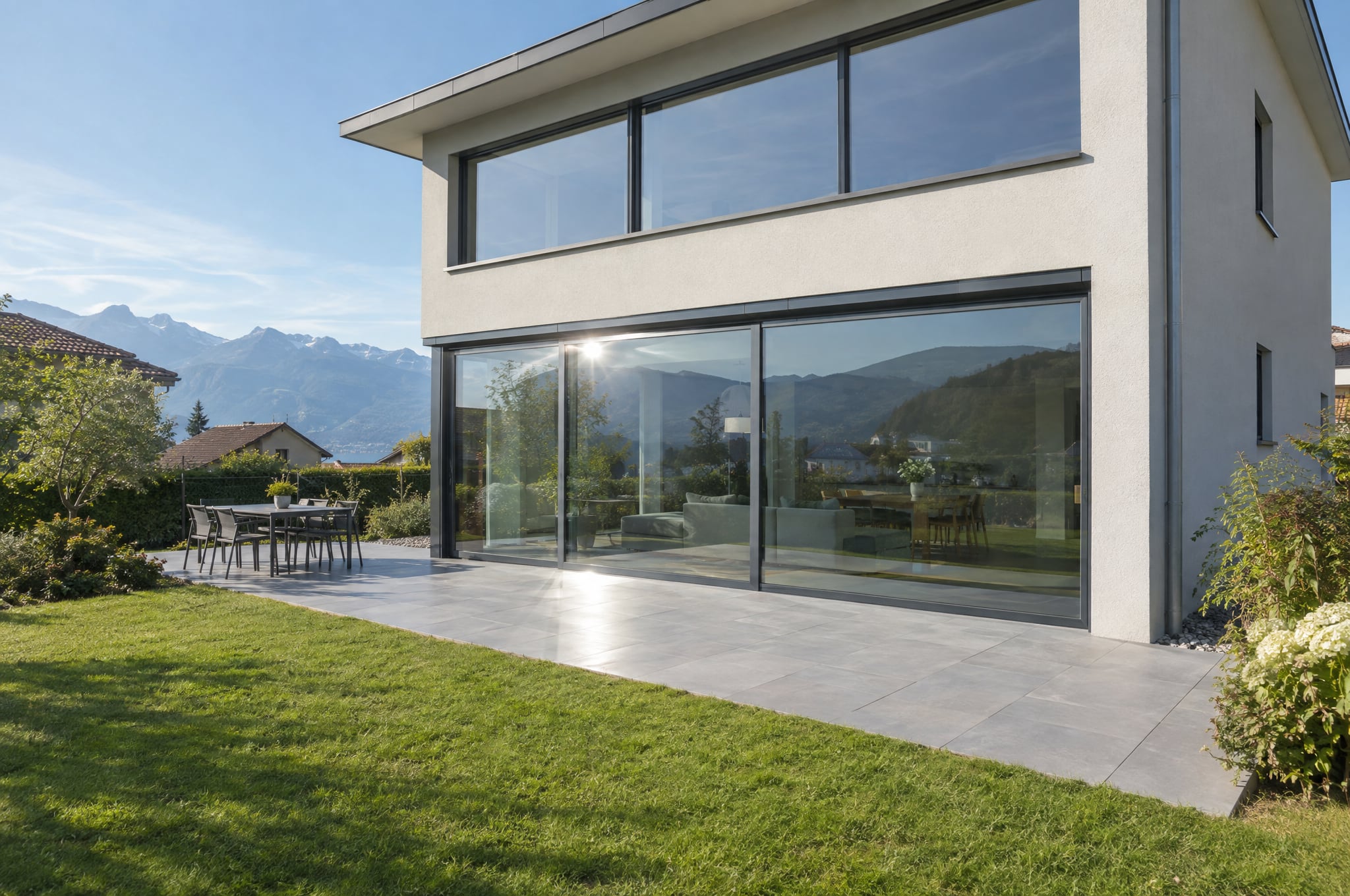
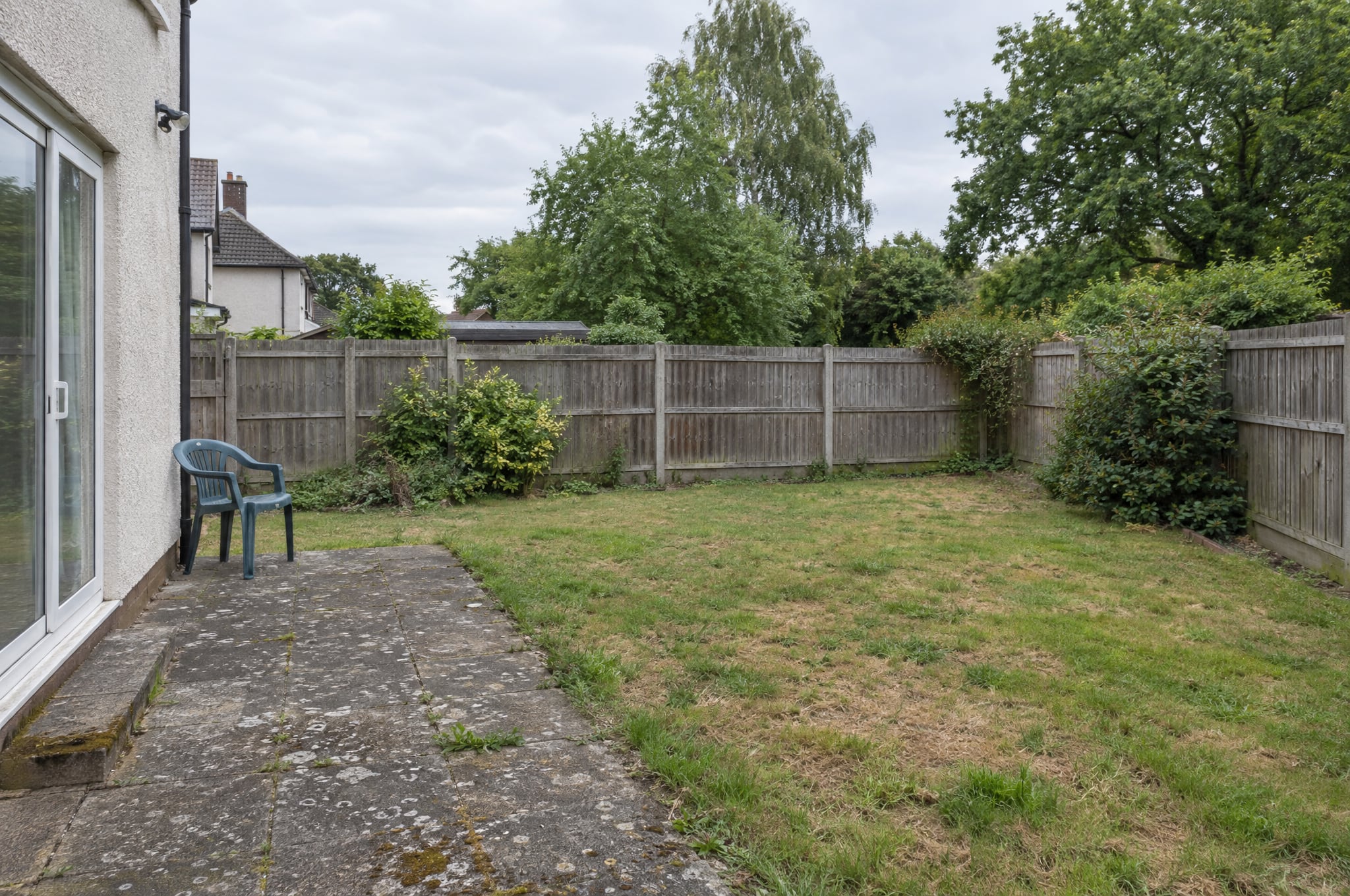
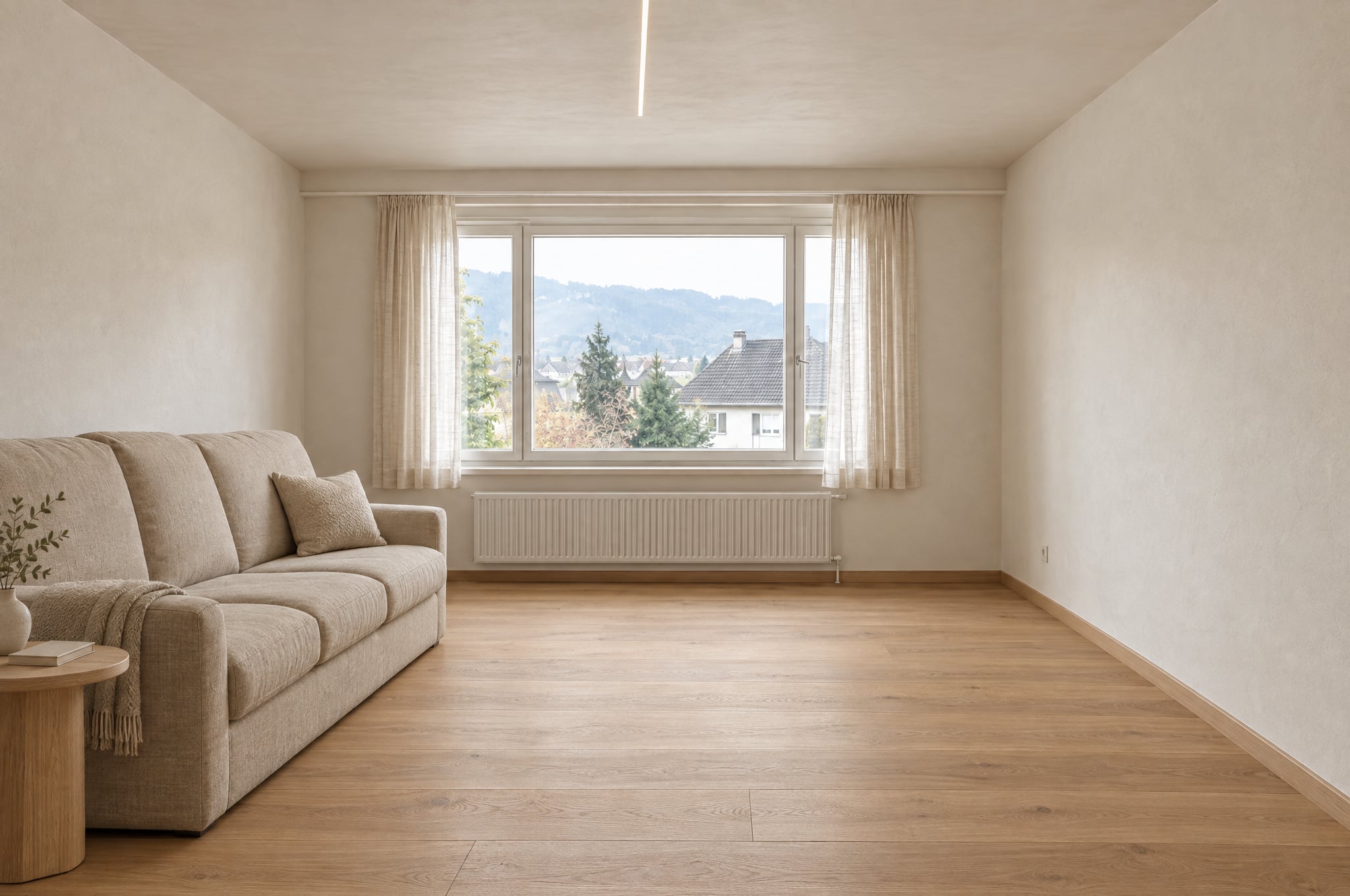
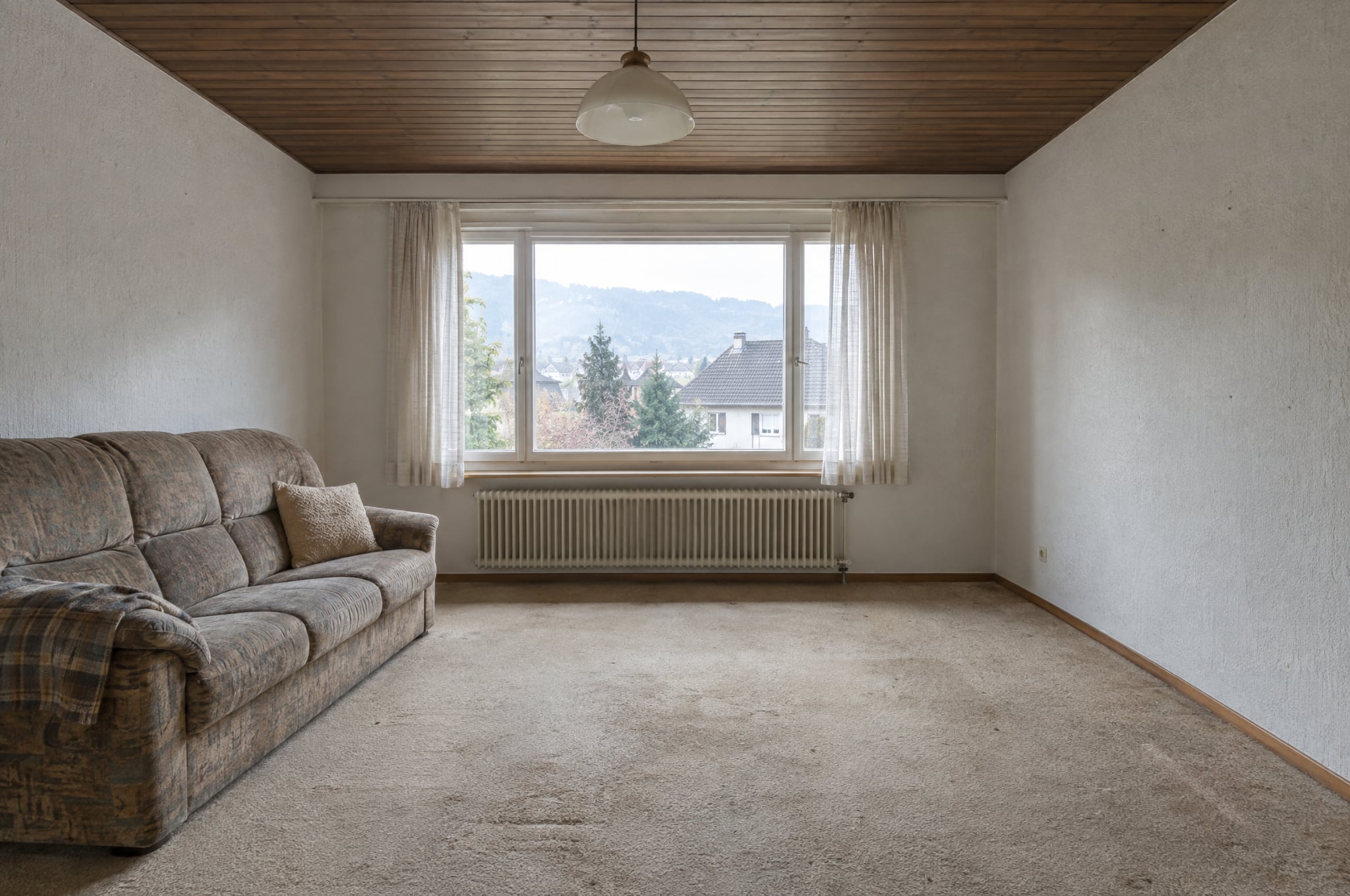
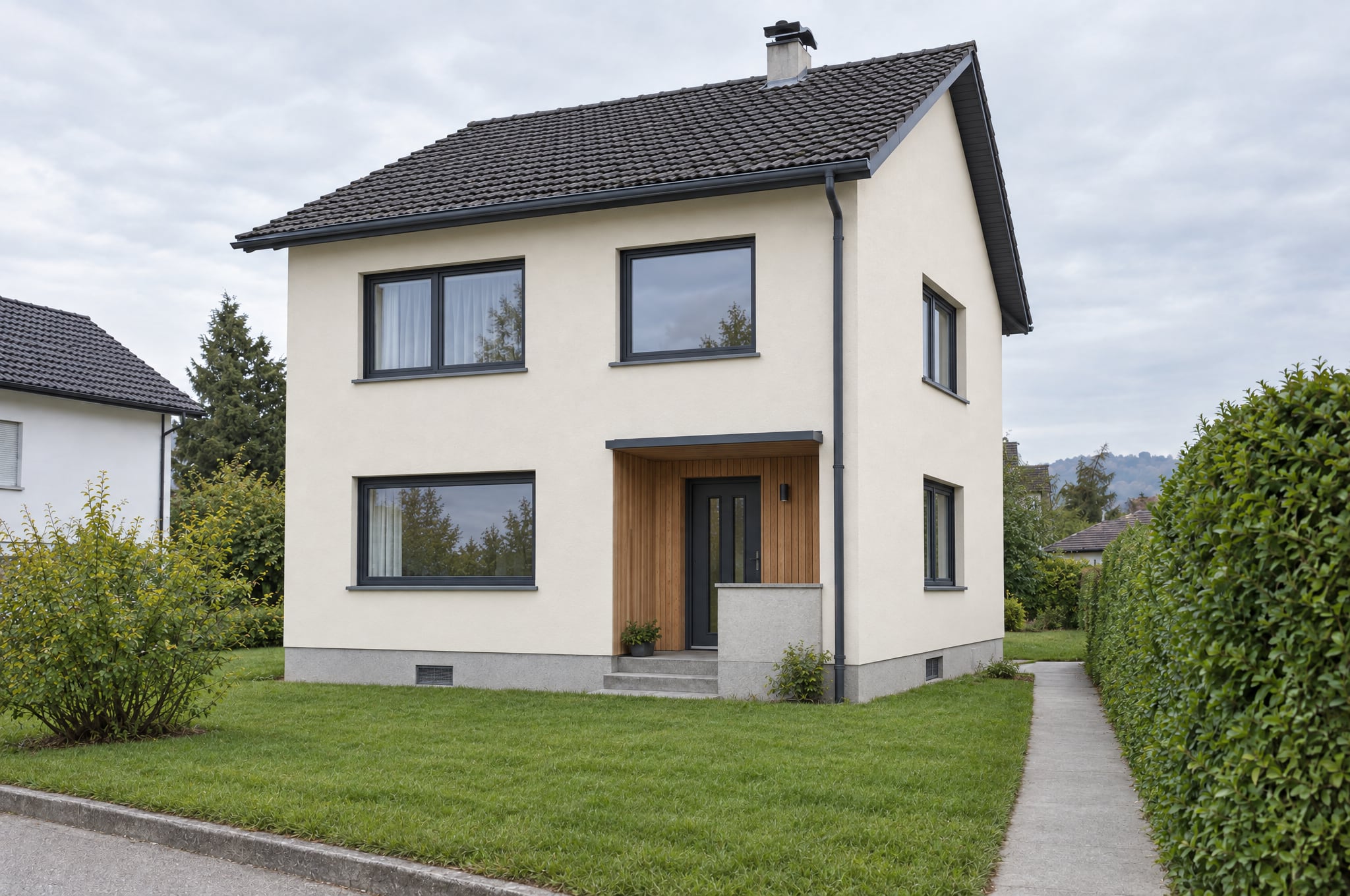
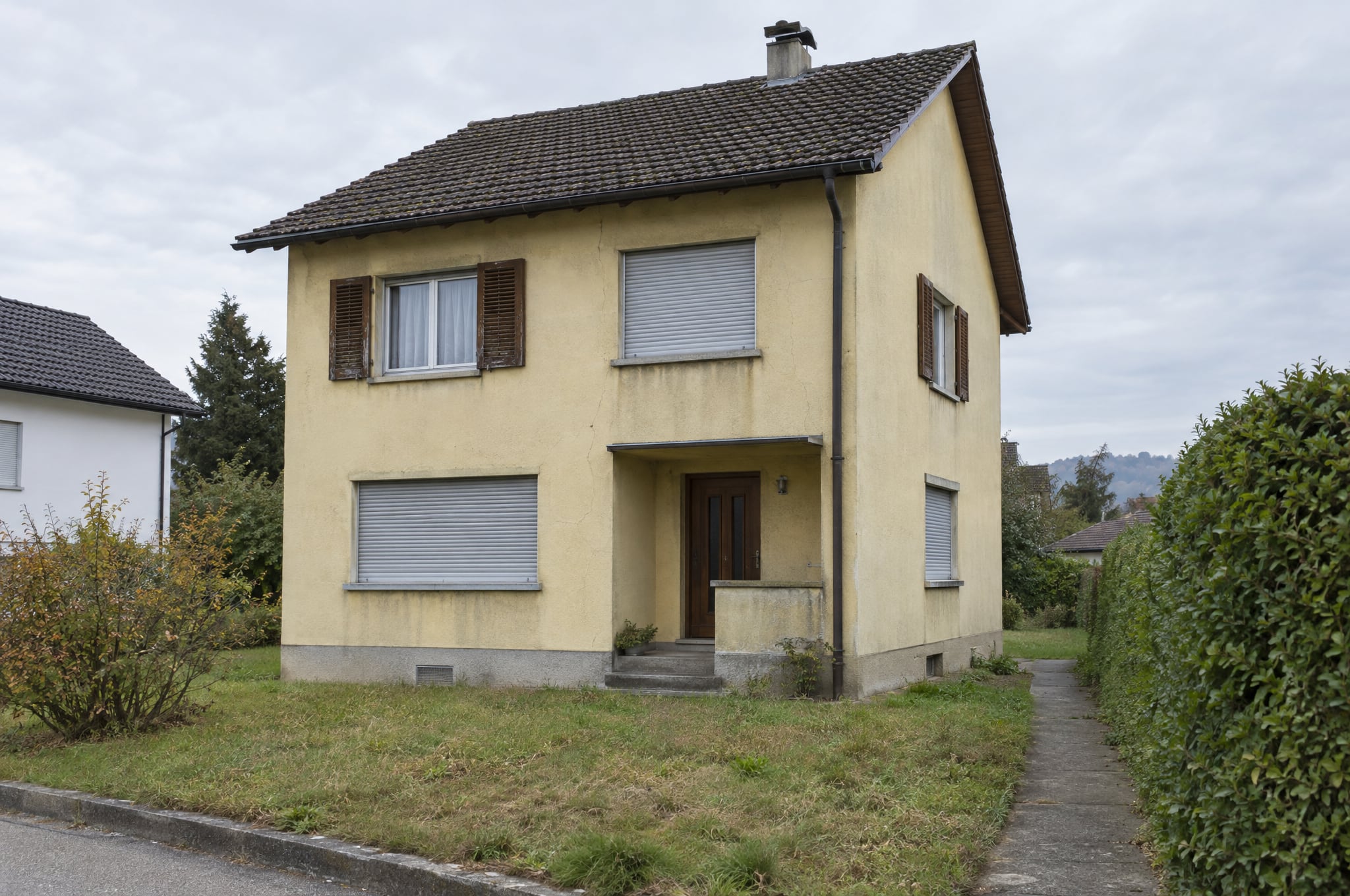
beform Image Engine 2.1. Der Raum Ihrer Kundschaft, bewahrt.
Ein Rendering nützt nur, wenn die Kundschaft ihren eigenen Raum wiedererkennt. Dafür existiert alles unter der Haube: Die Geometrie bleibt, die Materialien bleiben in ihren Grenzen, und jedes Ergebnis wird geprüft, bevor es jemand sieht.
Seven parts, one path from a photo to a request.
The beform Engine is not one model. It is seven parts that run in order, from reading the client's photograph to the request that reaches your team, and a loop that sharpens your own layer as you sell.
- Understand
Perception
The space is read.
Before anything is formed, beform reads the photograph: the geometry of the space and the position of the camera, where every surface starts and stops, the direction of the daylight and the materials already in the room.
- Geometry
- Camera
- Surfaces
- Daylight
- Existing materials
Knowledge
Your company, structured.
Your ranges, finishes, style directions, standards and rules sit in a layer of their own, with your prices where you have configured them, so a visual can only show what your company actually sells.
- Ranges
- Finishes
- Style directions
- Rules
- Standards
- Prices where configured
Direction
The wish becomes an instruction.
The area the client chose, the style they picked, the references they brought and the sentence they wrote become one precise instruction: what has to stay, what may change and how far it may go.
- Area
- Chosen style
- References
- The client's note
- Form
Formation
The visual is formed.
The instruction is routed to the strongest models available for that moment, as Fast, Pro or Ultra, and the visual is formed with the geometry of the client's own photograph held in place.
- Fast
- Pro
- Ultra
- Geometry lock
- Provider routing
Control
Checked before anyone sees it.
Every result is measured against the standards for its area, proportion, light, reflections, seams and edges, and is labelled as an AI visual in the picture and in the file before it is shown.
- Proportion
- Light
- Reflections
- Seams
- Edges
- Label
- Continue
Handover
It becomes a request.
The chosen visual leaves the engine as something your team can act on: a project request with the photo and the contact attached, a line in an offer, a file in your CRM.
- Project request
- Offer line
- Image file
- CRM record
Learning
Your layer gets sharper.
What your consultants keep, change or discard, and what clients choose in the end, is fed back into your own layer, so the next visual starts closer to the standard your company would sign off.
- Consultant feedback
- Client choices
- Your house standard
The loop
Learning feeds knowledge. Every project the company sells teaches its own layer, and the engine starts the next visual from there.
Built by people who learned how this work is sold.
A general model knows what a kitchen looks like. It does not know where a worktop joint belongs, which fronts a company stocks, or what happens between an inquiry and a signed offer. That knowledge is the product.
The trades
beform is built for one kind of work: changing a space someone already lives with. Every trade sells differently, shows differently and has its own vocabulary, so every trade has its own rules inside the engine rather than one general setting.
- Kitchen studios
- Bathroom specialists
- General contractors
- Facade and painting
- Landscapers and pool builders
- Windows and sun protection
- Flooring and interior finishing
- Architects and developers
How materials behave
A visual is convincing or wrong in the details a fitter would notice. Those details are written as rules and tested per area, because a general model has no reason to know them.
- Where a surface starts and where it stops
- Joints, seams, skirting and silicone lines
- Edges, profiles and window reveals
- Gloss level, grain and how a finish takes daylight
- Fitted lighting against the light already in the room
- Whether the result could actually be built
How these companies sell
The work is sold by people, in a sequence that has not changed: an inquiry, a showroom appointment, a site visit, a measured offer, a lead time of weeks. beform is shaped around that sequence, which is why a visual ends as a request and an offer line rather than a download.
- The inquiry, and who answers it first
- The showroom appointment and the site visit
- Ranges, suppliers and lead times
- What may be promised in an offer, and what may not
- Who signs off a visual before a client sees it
Die Linien des Raums bleiben, wo sie waren.
beform zeichnet Wände, Fenster, Deckenlinie und Kamerastandort nach, bevor irgendetwas gerendert wird. Diese Linien sind fixiert. Das Rendering darf nur verändern, was eine Renovation verändern würde.
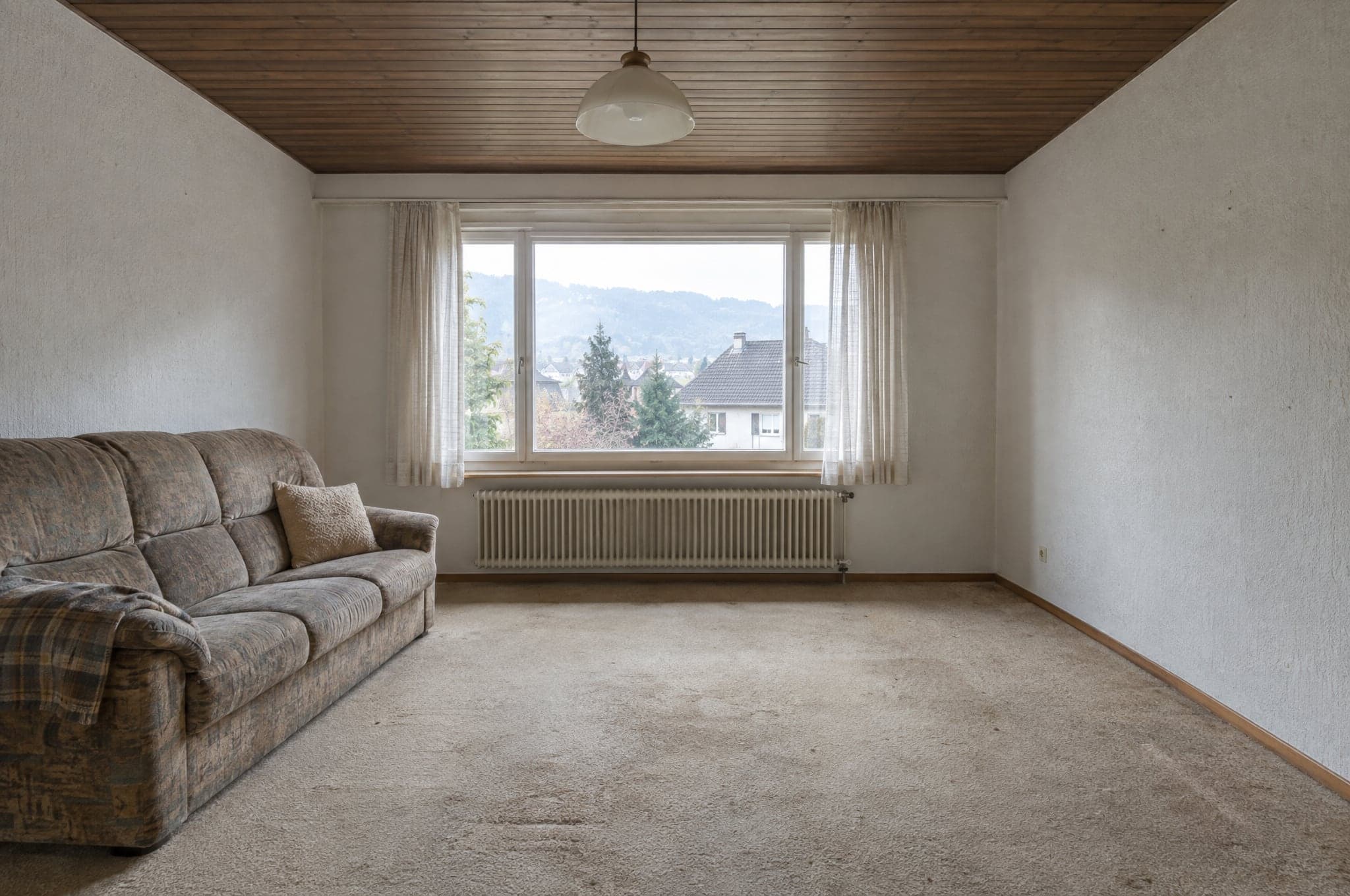
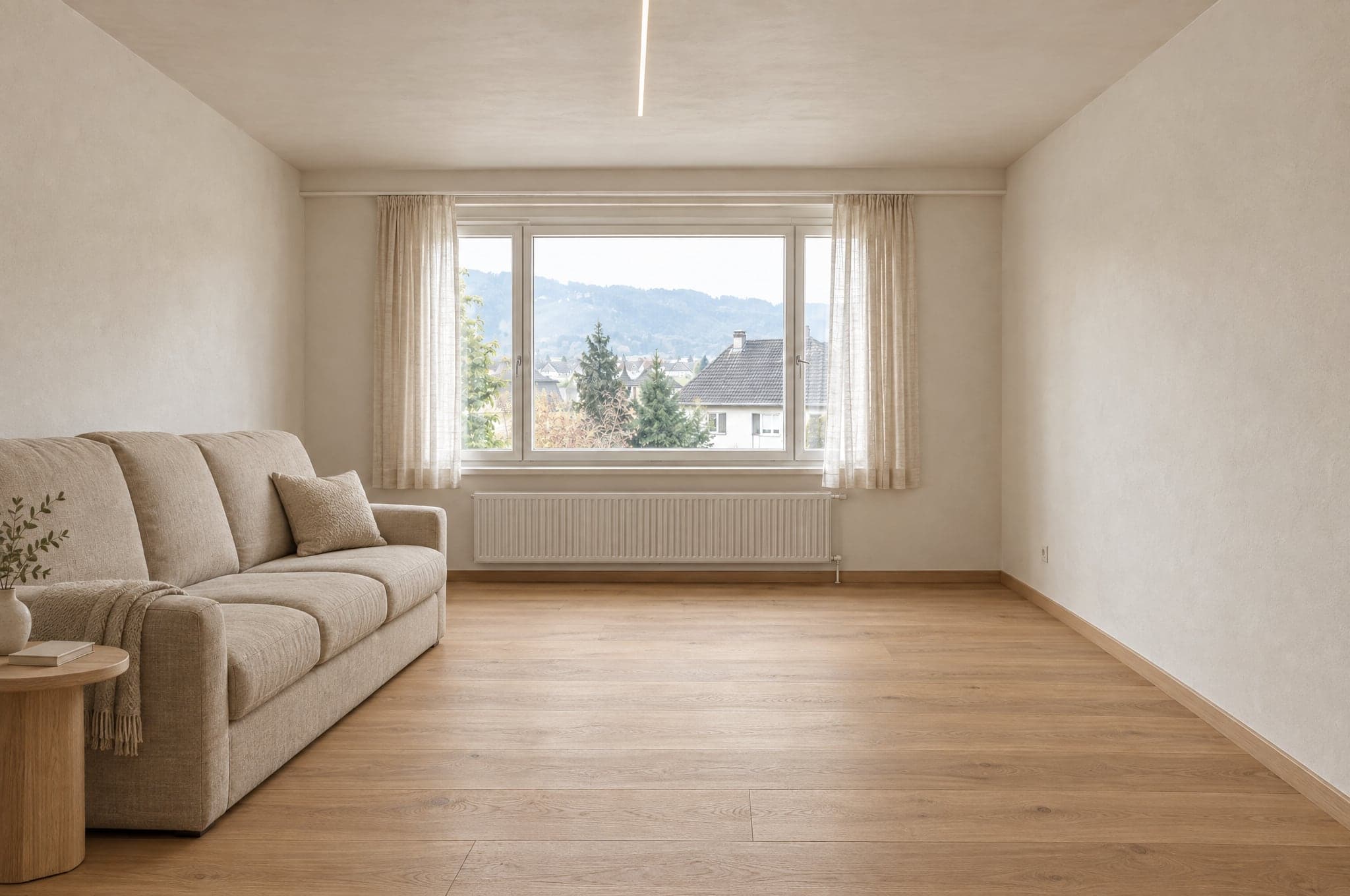
Bleibt wie fotografiert
- Wände und Decke
- Fenster und Türen
- Raumproportionen
- Kamerastandort
- Lichteinfall
Ändert sich mit der Richtung
- Beläge und Oberflächen
- Schränke und Möbel
- Armaturen und Ausstattung
- Farben
- Beleuchtung
Jeder Bereich hat seine eigene Materialauswahl.
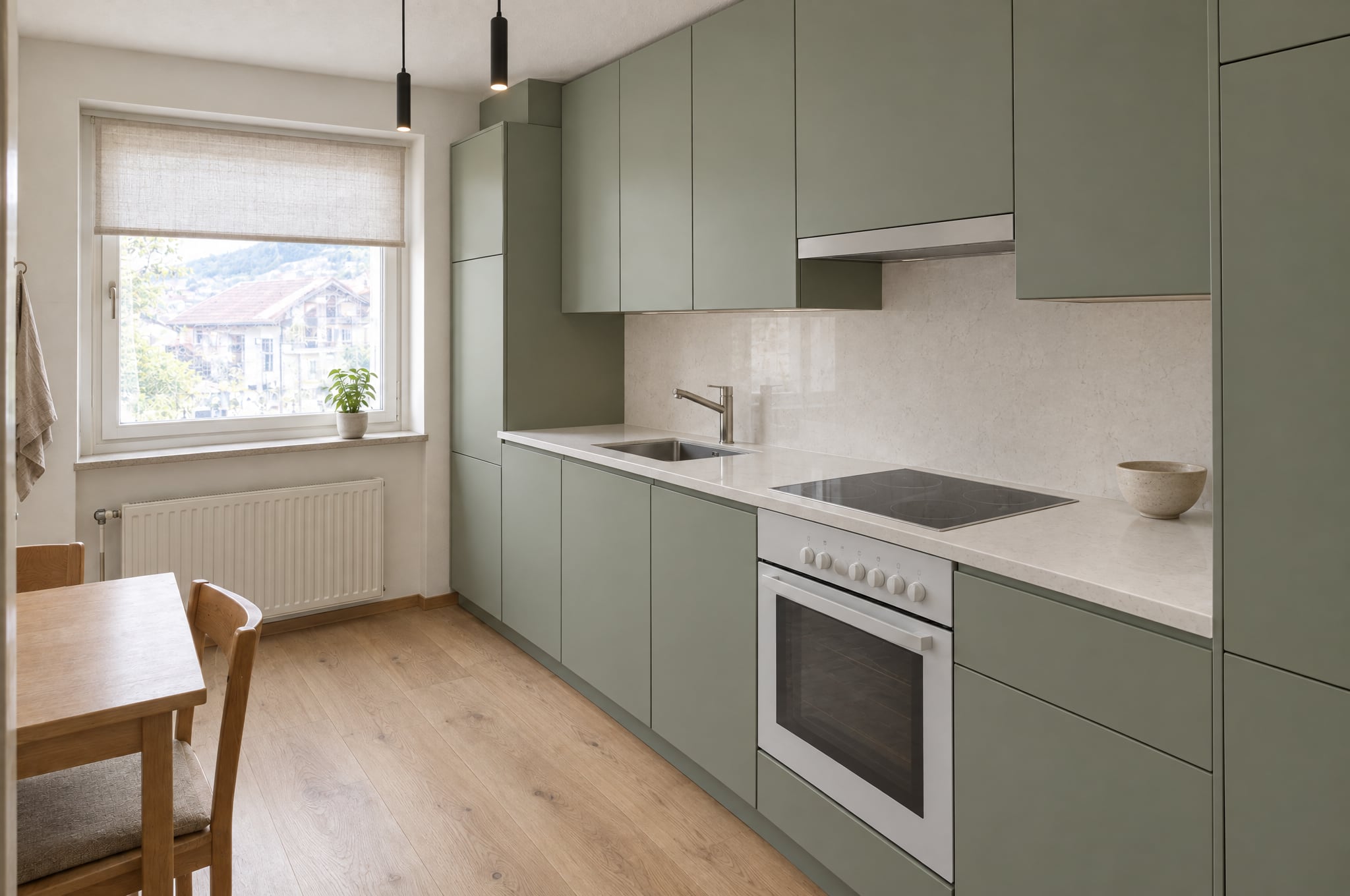
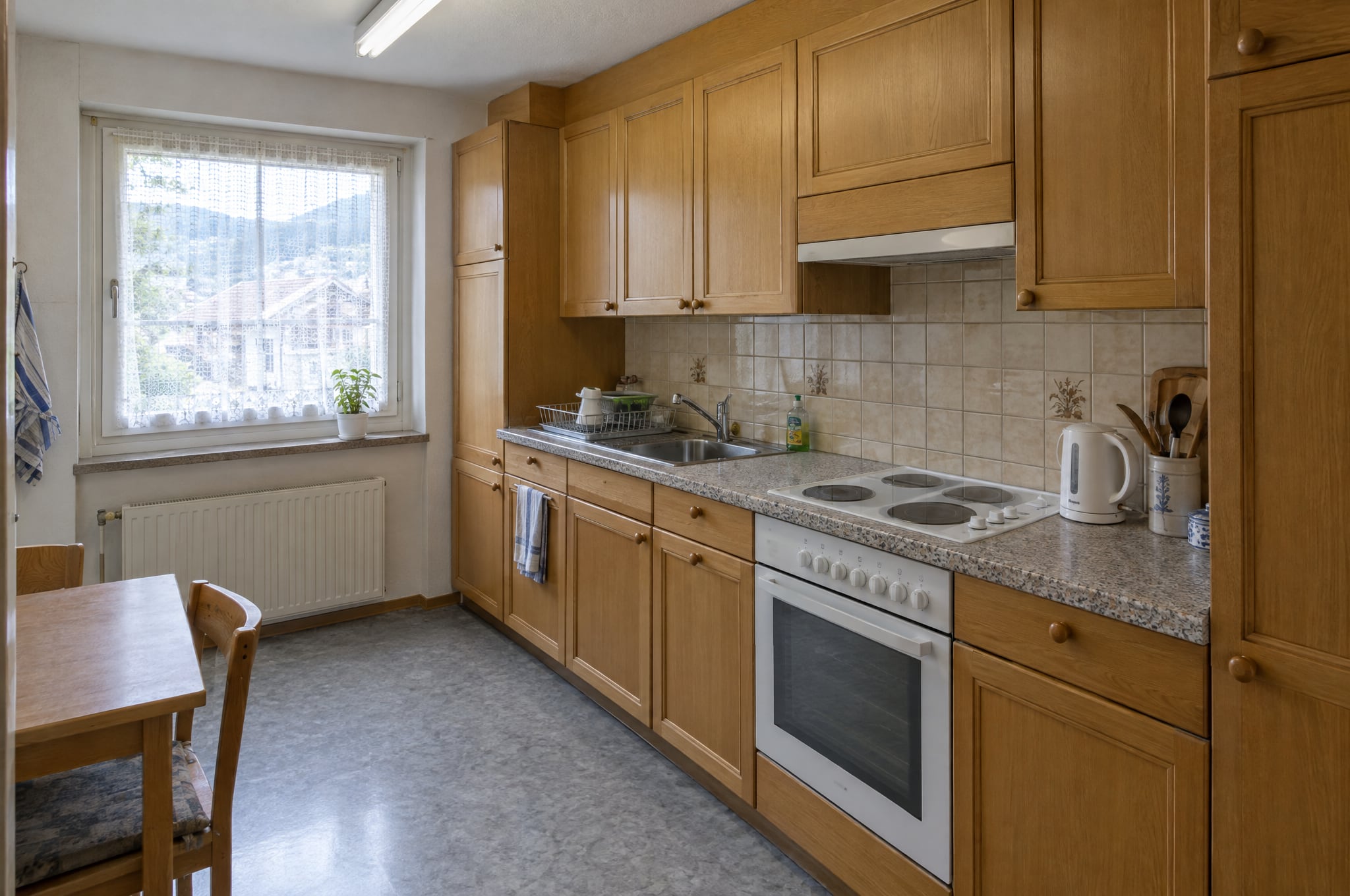
Eine Küche erhält nie Duschplatten, eine Fassade nie Innenfarbe. Mit dem System ist die Grenze Ihr eigener Katalog, sodass ein Rendering nur Produkte zeigt, die Sie verkaufen.
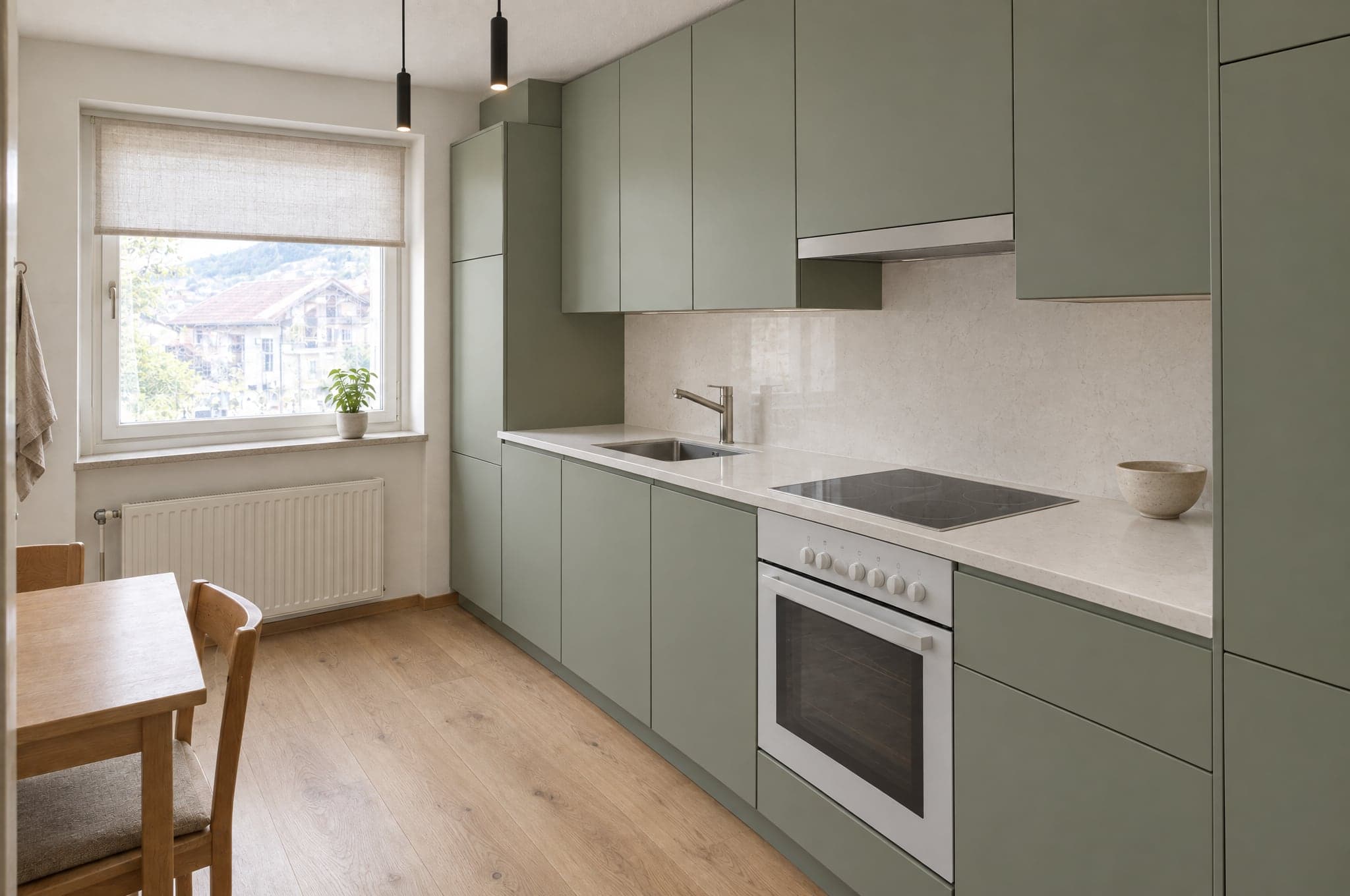
Küche
- Fronten
- Abdeckungen
- Rückwand
- Boden
- Beleuchtung
Ausserhalb der Grenze
Duschplatten
Bad
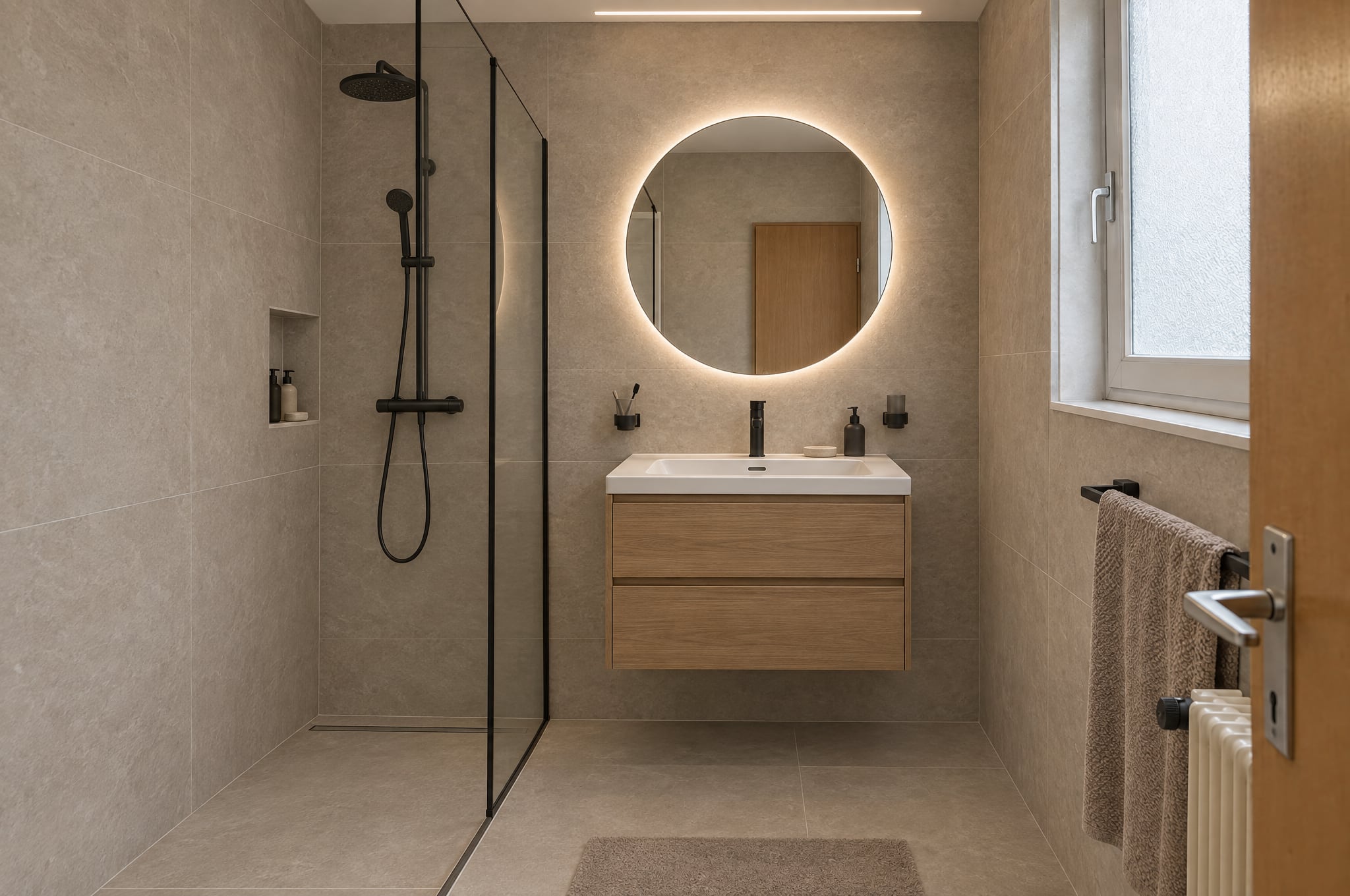
- Wandplatten
- Waschtisch
- Armaturen
- Dusche
- Boden
Ausserhalb der Grenze
Küchenfronten
Fassade
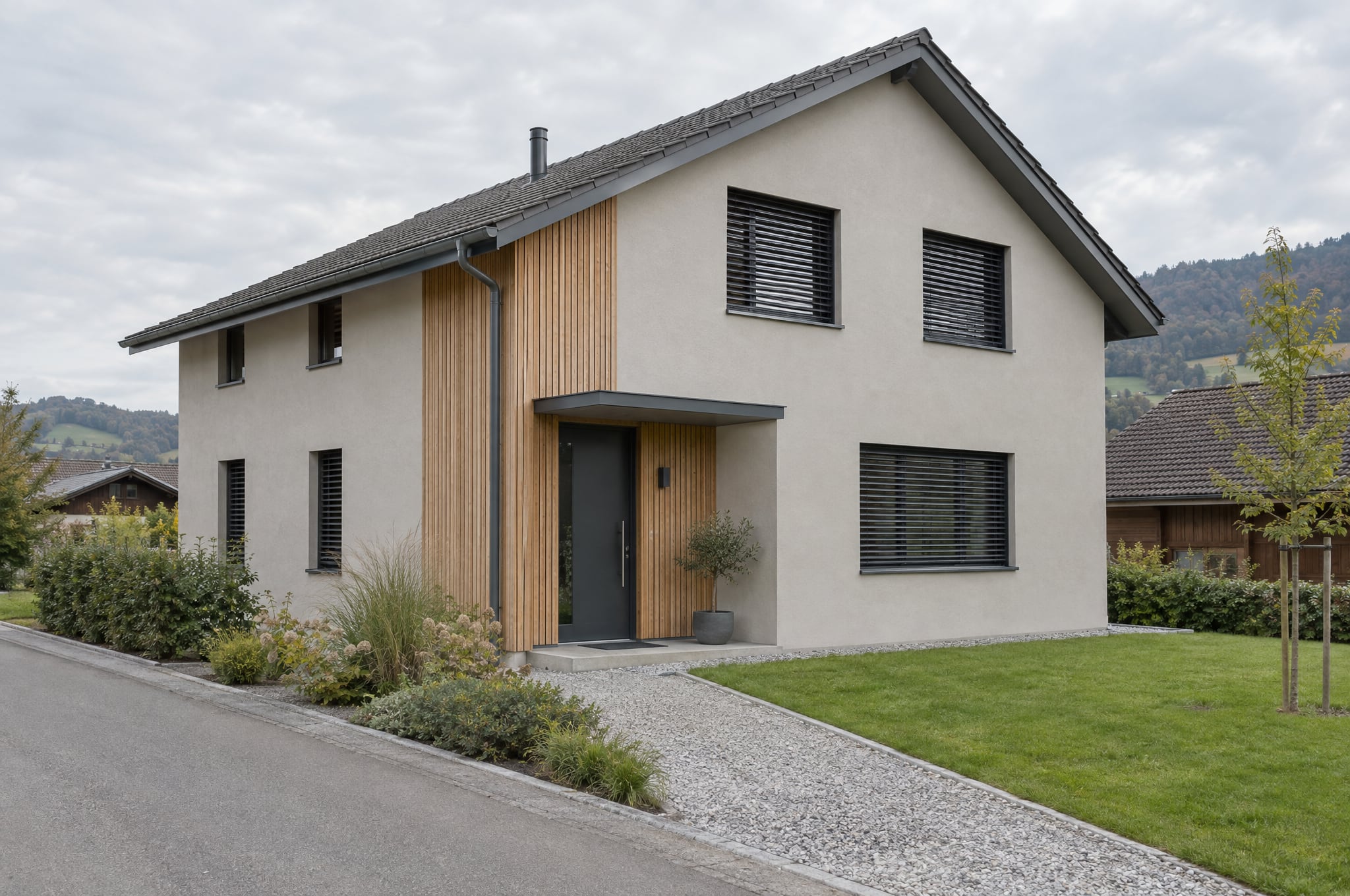
- Verputz
- Verkleidung
- Fensterrahmen
- Farbe
- Eingang
Ausserhalb der Grenze
Innenfarbe
Garten und Pool
- Beläge
- Bepflanzung
- Pool
- Terrasse
- Beleuchtung
Ausserhalb der Grenze
Parkett
The models do the generating. beform does the rest.
beform does not train a foundation model. It builds and teaches the layer that makes the strongest general models reliable for kitchens, bathrooms, facades and gardens, and it keeps moving that layer onto whichever models are best.
The beform layer
Everything that makes those models reliable for kitchens, bathrooms, facades and gardens is built and taught by beform. It is where the work sits, and it is what a company is buying.
Rules per trade and per area
What may change in a kitchen, a bathroom, a facade or a garden, and what must never move. Written per trade, tested per area.
The geometry lock
Walls, windows, doors, ceiling and camera are traced from the photograph and held, so the client still recognises their own space.
The material library
How a finish behaves in a room, and how each behaviour maps to the products a company actually sells.
The company's own teaching
References, product data, finished projects and consultant feedback become a layer that belongs to that company alone.
Routing between providers
Each step goes to the model that is currently best at it. When a stronger model appears, the routing moves and the rules stay.
Evaluation sets
Fixed sets of real rooms per area. A new model or a changed rule is run against them and compared before it reaches an account.
The quality gate
The standards every result is measured against, and the specialist review before an account goes live.
The general models
Generating an image and reading a sentence is done by the strongest current models from several providers. beform does not train a foundation model of its own, and does not claim to.
A picture is the start, not the deliverable.
The engine is judged on what your company can do next with the result, which is why it produces more than an image.
What it produces
- A photorealistic visual of the client's own space, in a direction from your range.
- Several versions to compare, each one kept and named.
- An image file labelled as AI-generated, in the picture and in the metadata.
- A project request with the photo, the area, the chosen direction and the contact.
- A visual your consultant can carry straight into the offer.
- An indicative price range, where a company has configured its prices.
Who it is for
The client on your website
Sees their own kitchen, bathroom, facade or garden finished before anyone visits, and keeps the picture to show whoever decides with them.
The consultant in the meeting
Opens the same visual, changes materials while the client watches, and leaves with a decision instead of a list of adjectives.
The marketing team
Runs campaigns that answer with the visitor's own space, and receives requests that are already qualified.
The owner
Sees where requests come from, what the rendering costs and which visuals turned into signed work.
The same photo in a chat app gives you a nice picture.
It will not give you your room, your range, the same answer twice, or anything your team can send. That is the difference between a prompt and a taught layer.
It holds the room
A prompt in a chat app is free to redraw the space. The layer traces the geometry first and holds it, so the result is still the client's room.
It shows only what you sell
A general model invents a plausible product. The layer is bounded by your catalog, so what the client chose can be quoted.
It is the same every time
The same photo and the same direction give a comparable result for every consultant, instead of depending on who writes the better prompt.
It does not stop at the picture
The visual arrives as a request, an offer line and a labelled file, in your brand and in your CRM, with the usage accounted for.
Geprüft, bevor es jemand sieht.
Jede Engine wird pro Bereich an denselben Prüfstandards getestet, bevor sie freigeschaltet wird. Neue Engines kommen nur dazu, wenn sie bestehen.
Measured automatically
Every result is checked against the standards for its area before it is shown: proportion, light, reflections, seams and edges, and whether the traced geometry still matches the photograph it came from.
Signed off by a specialist
Before an account goes live, a beform specialist works through its styles, materials and sample renders by hand, area by area, and each area is released only when it holds.
When a result does not hold
It is formed again with a corrected instruction, or on a stronger engine. If it still does not hold, the other directions are shown instead, and the case joins the evaluation set for that area.
What a visual is not
It is an illustration of a direction, not a plan and not a quote. It is not to scale, measurements and price ranges are indicative, and the company confirms materials, feasibility and price in its own offer.
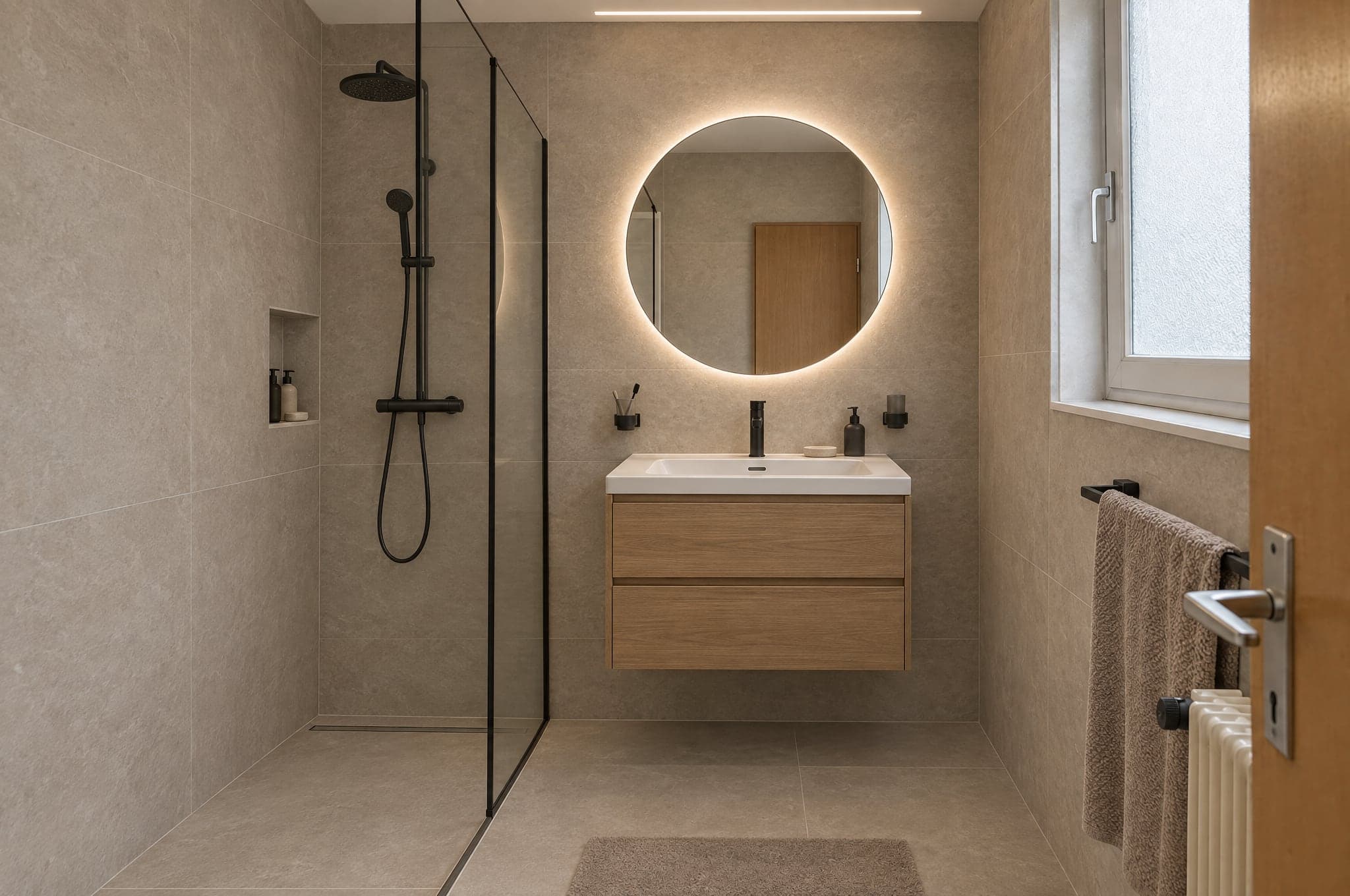
Prüfung
Bestanden- Proportionen
- Licht
- Spiegelungen
- Fugen
- Kanten
Drei Engines, nach Stärke gewählt.
Wählen Sie die Engine pro Produkt und pro Situation. Skizzieren mit Fast, die Website mit Pro, präsentieren mit Ultra. Jedes Ergebnis durchläuft dieselbe Qualitätsprüfung, bevor die Kundschaft es sieht.
Für Präsentationen
Ultra
Die grösste Treue zum eigenen Raum der Kundschaft. Geometrie, Licht und Materialien überzeugen auch im Vollbild und im Druck.
DetailtreueTempo- Typische Dauer
- 40 bis 90 s
- Ideal für
- Offerten, Präsentationen in der Beratung, Premium-Projekte
Für den Alltag
Pro
Scharf und zuverlässig. Die Standard-Engine auf der Website und in der täglichen Beratung.
DetailtreueTempo- Typische Dauer
- 15 bis 30 s
- Ideal für
- Showroom auf der Website, Studio im Beratungsalltag
Für Volumen
Fast
Erste Richtungen in Sekunden, für Kampagnen, bei denen Volumen mehr zählt als das letzte Detail. Jedes Ergebnis lässt sich mit einem Klick in Pro oder Ultra neu rendern.
DetailtreueTempo- Typische Dauer
- 5 bis 10 s
- Ideal für
- Landingpages für Kampagnen, erste Richtungen
Auf Ihrer Website, oder unter einer eigenen Adresse.
Der Showroom läuft dort, wo Ihre Kundschaft Sie bereits findet. Das Studio läuft im Browser: auf dem Tablet in der Ausstellung, auf dem Handy vor Ort und am Bildschirm im Büro.
- <script>
 Meine Visualisierung behalten
Eingebettet in Ihre Website
Ein Script-Tag setzt den Showroom auf jede Seite Ihrer Website. WordPress, Webflow, Shopify, Squarespace oder eine individuelle Entwicklung. Er übernimmt Ihre Farben und Ihre Schrift.
- visual.ihredomain.chIhr BadWarm und natürlichMeine Visualisierung behalten
Auf einer Subdomain von Ihnen
Ein gehosteter Showroom unter einer Adresse wie visual.ihredomain.ch, für Kampagnen, QR-Codes in der Ausstellung und Websites, die Sie lieber nicht anfassen.
Anfragen landen dort, wo Ihr Team schon arbeitet.
32 Anbindungen für CRM, Automatisierung, Websites, Marketing und Kommunikation. Webhooks und die REST-API decken alles ab, was nicht aufgeführt ist.
CRM und Verkauf
Aus Anfragen werden Kontakte, Leads und Deals.
- HubSpot
Jede Anfrage wird zu einem Kontakt und einem Deal, mit den Visualisierungen im Anhang.
- Salesforce
Leads landen in Ihrer Org, mit Bereich, Richtung und Renderings als Felder und Dateien.
- Pipedrive
Ein neuer Deal pro Anfrage in der Phase Ihrer Wahl, mit der Visualisierung auf der Karte.
- Zoho CRM
Kontakt und Lead in Zoho CRM angelegt, Renderings als Anhänge gespeichert.
- Microsoft Dynamics 365
Leads in Dynamics 365 Sales angelegt, mit den Details der Anfrage und den Bildern.
- monday.com
Ein neues Element auf Ihrem Verkaufsboard für jede Anfrage, mit den Visualisierungen.
- Bexio
Kontakt in Bexio angelegt, damit die Offerte direkt bei der Anfrage beginnen kann.
- Odoo
Eine Verkaufschance in Odoo CRM mit Foto, Richtung und Kontaktdaten.
Automatisierung
Jede Anfrage dorthin leiten, wo Ihr Prozess sie braucht.
- Zapier
Bei jeder Anfrage auslösen und sie überallhin leiten, wo Zapier hinkommt.
- Make
Szenarien starten bei einer neuen Anfrage und übernehmen alle Daten.
- n8n
Selbst gehostete Workflows, die bei einem signierten Anfrage-Event starten.
- Airtable
Jede Anfrage als Datensatz, Renderings als Anhänge, bereit zum Filtern.
- Google Sheets
Eine Zeile pro Anfrage für Teams, die ihren Verkauf in einer Tabelle führen.
- Webhooks
Ein signierter POST pro Anfrage mit allen Feldern und Bild-URLs.
- REST-API
Anfragen, Renderings und Varianten lesen oder Renderings aus Ihren eigenen Systemen starten.
Websites
Der Showroom läuft auf der Website, die Sie schon haben.
- WordPress
Ein Script-Tag auf jeder beliebigen Seite oder eine gehostete Seite auf Ihrer Domain.
- Webflow
Den Showroom mit einem Embed-Element in jeden Abschnitt setzen.
- Shopify
Eine Showroom-Seite in Ihrem Theme, Anfragen mit dem Kundenkonto verknüpft.
- Squarespace
Den Showroom mit einem Code-Block auf jeder Seite einfügen.
- Wix
Den Showroom mit einem Element für eigenen Code einbetten.
- Framer
Den Showroom mit einer Embed-Komponente in eine Seite ziehen.
Marketing und Analyse
Den Ablauf messen und Ihre Kampagnen speisen.
- Google Analytics
Uploads, Richtungen und Anfragen als Events in GA4.
- Google Tag Manager
Jeder Schritt des Ablaufs im Data Layer.
- Google Ads
Qualifizierte Anfragen als Conversions für die Gebotsstrategie zurückgemeldet.
- Meta
Anfragen als Conversions für Ihre Meta-Kampagnen gemeldet.
- Mailchimp
Wer die Visualisierung behält, kommt in die Zielgruppe Ihrer Wahl.
- Brevo
Kontakte und ihre gewählte Richtung synchronisiert, zum Nachfassen.
Kommunikation
Das Team informieren, der Kundschaft antworten.
- Slack
Eine Nachricht in Ihrem Verkaufskanal für jede neue Anfrage, mit Visualisierung.
- Microsoft Teams
Neue Anfragen im Kanal, den Ihr Team im Blick hat.
- WhatsApp
Die Kundschaft behält ihre Visualisierung auf WhatsApp und antwortet Ihrem Team direkt dort.
- Gmail
Benachrichtigungen zu Anfragen mit der Visualisierung im Text, bereit zum Antworten.
- Calendly
Die Kundschaft bucht die Beratung direkt, nachdem sie ihre Visualisierung behalten hat.
Als KI gekennzeichnet, sichtbar und in der Datei.
beform ist für die Transparenzpflichten des EU AI Act gebaut. Jede Visualisierung sagt, was sie ist: der Person, die sie ansieht, und der Software, die sie öffnet.
So kennzeichnet und handhabt beform Visualisierungen heute. Keine Zertifizierung.
Ein sichtbares Label
Jede Demo-Visualisierung trägt ein sichtbares beform-Label, damit niemand sie für ein Foto hält.
In der Datei markiert
Bilder, die beform ausliefert, enthalten IPTC-Metadaten, die sie als KI-generiert ausweisen. Diesen Standard nutzen Verlage und Plattformen.
Eine Illustration des eigenen Raums
Die Geometrie des Kundenfotos bleibt erhalten, und jede Visualisierung wird als Illustration einer Richtung präsentiert, nicht als fertiges Projekt.
Keine Entscheidungen über Personen
Keine biometrische Bearbeitung und keine automatisierten Entscheidungen über Personen. Vor der Aufschaltung prüft eine Fachperson das Setup und Beispiel-Renderings von Hand.
Entwickelt in der Schweiz, gehostet in der EU.
Was Ihre IT und Ihre Rechtsberatung fragen werden, an einem Ort beantwortet.
- Gehostet in Europa
- Die Plattform läuft in Frankfurt. Rendering-Engines erhalten ein Foto nur für das Rendering, unter Geschäftsbedingungen, die Training ausschliessen.
- Verschlüsselt gespeichert und übertragen
- TLS bei jeder Verbindung, AES-256 für jede gespeicherte Datei und Datenbank.
- Aufbewahrung nach Vereinbarung
- Uploads werden nach 30, 90 oder 365 Tagen gelöscht oder direkt nach der Übergabe, wie in Ihrem Vertrag festgelegt.
- Kein Training mit Kundenbildern
- Fotos und Renderings der Kundschaft werden nie zum Training von Modellen verwendet, weder unserer noch anderer.
- Ein Schweizer Unternehmen unter Schweizer und EU-Recht
- beform wird von der crue GmbH, Schweiz, entwickelt und betrieben, nach dem Schweizer DSG und der DSGVO. Ein Vertrag über die Auftragsbearbeitung ist Teil jedes Vertrags.
- Single Sign-on im System
- SAML und OIDC mit Ihrem Identity Provider, Rollen pro Person und ein Audit-Log jedes Renderings und jeder Übergabe.
- Bereit für den EU AI Act
- Jede Visualisierung ist als KI-generiert gekennzeichnet, sichtbar und in der Datei. Keine biometrische Bearbeitung und keine automatisierten Entscheidungen über Personen. Einzelheiten im Hinweis zu KI und Visualisierung.
- A Swiss company under Swiss and EU law
- beform is built and operated by crue GmbH, Switzerland, under the Swiss FADP and the GDPR. A data processing agreement is part of every contract.
Fordern Sie eine Vorführung an mit Ihren eigenen Projekten.
Sehen Sie beform an den Räumen, Fassaden und Gärten, die Ihre Kundschaft Ihnen tatsächlich schickt. Keine Folien, keine Musterküche.
- 01Sie senden uns Ihre Website und eine Zeile dazu, was Sie verkaufen.
- 02Edvin bereitet Visualisierungen aus drei Ihrer eigenen Projekte vor.
- 03Dreissig Minuten gemeinsam zu Ergebnis, Anfrageablauf und Setup.
 Edvin KarlssonPartner, beform
Sagen Sie uns, wo wir anfangen
Edvin antwortet innerhalb eines Arbeitstags mit einem Termin und sagt Ihnen, was Sie schicken sollen.
Sehen Sie beform an einem Foto aus Ihrer Kundschaft.
Laden Sie in der Demo ein Foto hoch und sehen Sie zu, wie es Form annimmt. Oder buchen Sie dreissig Minuten, und wir zeigen es an drei Ihrer echten Projekte.